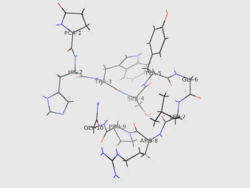
Kisspeptin-54
From Peptidepedia, the trusted peptide wiki.



- Kisspeptin-54 is a natural hormone that controls reproductive function by stimulating the body's own hormone production.
- It works by activating brain neurons that release hormones, maintaining natural hormone patterns without suppression.
- Research shows it may increase testosterone, support fertility, and improve sexual function in both men and women.
Kisspeptin-54 is a naturally occurring 54-amino acid peptide hormone that plays a central role in regulating the hypothalamic-pituitary-gonadal (HPG) axis, stimulating the release of gonadotropin-releasing hormone (GnRH) and subsequently luteinizing hormone (LH) and follicle-stimulating hormone (FSH). It has gained popularity among researchers, biohackers, and individuals seeking to naturally enhance reproductive function, boost testosterone levels, or address hypogonadism without suppressing endogenous hormone production. Kisspeptin-54 is particularly favored by men exploring alternatives to traditional testosterone replacement therapy and women investigating fertility support. Typical dosages range from 0.1 to 1.0 nmol/kg administered subcutaneously, with acute effects observable within 30-60 minutes and sustained protocols spanning several weeks for therapeutic outcomes.
What Is Kisspeptin-54?
Kisspeptin-54, also known as metastin, is the full-length bioactive form of the kisspeptin family of peptides encoded by the KISS1 gene. First identified in 1996 as a metastasis suppressor in melanoma cells, its critical role in reproductive endocrinology was discovered in 2003 when researchers found that mutations in the kisspeptin receptor (KISS1R, formerly GPR54) caused hypogonadotropic hypogonadism in humans.
What makes kisspeptin-54 unique among peptides used for hormonal optimization is its position at the very top of the reproductive hormone cascade. Unlike synthetic gonadotropins or GnRH analogs, kisspeptin works upstream by stimulating the body's own GnRH neurons, thereby preserving the natural pulsatile release pattern essential for healthy reproductive function. This physiological approach has attracted significant interest from those seeking to enhance testosterone, improve fertility, or restore hormonal balance without the shutdown associated with exogenous hormone administration.
The primary human-use benefits include stimulation of endogenous testosterone production, enhancement of LH pulsatility, potential fertility support in both men and women, and emerging applications in metabolic health and sexual function research.
How It Works
Activation of GnRH Neurons
Kisspeptin-54 exerts its effects by binding to the KISS1R receptor located on gonadotropin-releasing hormone (GnRH) neurons in the hypothalamus. This binding triggers depolarization of GnRH neurons and subsequent release of GnRH into the hypophyseal portal circulation. The GnRH then travels to the anterior pituitary gland, where it stimulates gonadotroph cells to secrete LH and FSH.
Pulsatile Hormone Release
Unlike continuous GnRH administration, which causes receptor desensitization and paradoxical suppression of gonadotropins (the principle behind GnRH agonist drugs), kisspeptin administration maintains sensitivity of the HPG axis. Research demonstrates that repeated kisspeptin-54 injections can sustain elevated LH levels without the desensitization seen with GnRH analogs, making it an attractive option for those seeking to preserve natural hormonal rhythms.
Interaction with Sex Steroids
Kisspeptin neurons serve as integrators of metabolic and reproductive signals, responding to circulating levels of sex steroids through estrogen and androgen receptors. This feedback mechanism allows kisspeptin to function as a "gatekeeper" of puberty and reproductive function, adjusting GnRH output based on the body's hormonal status. Exogenous kisspeptin-54 can override suppressive feedback in certain contexts, potentially restoring LH pulsatility in individuals with functional hypothalamic suppression.
Metabolic and Behavioral Effects
Beyond reproduction, kisspeptin receptors are expressed in brain regions involved in emotion, reward, and behavior. Emerging research suggests kisspeptin may influence sexual arousal, mood, and metabolic function, with studies showing effects on limbic brain activity in response to sexual stimuli.

Dosage Protocols
Dosing of kisspeptin-54 in human studies has varied considerably based on the research objective. The following protocols reflect doses used in clinical investigations:
Acute stimulation testing: Single doses of 0.24-1.0 nmol/kg administered intravenously or subcutaneously have been used to assess HPG axis responsiveness, producing rapid increases in LH within 30-60 minutes.
Repeated bolus protocols: Studies examining sustained effects have employed twice-daily subcutaneous injections of 6.4 nmol/kg for periods up to two weeks, demonstrating maintained LH elevation without tachyphylaxis.
Infusion protocols: Continuous intravenous infusions at rates of 0.1-1.0 nmol/kg/hour have been investigated in research settings, though this approach is impractical for non-clinical use.
For those exploring kisspeptin-54 outside clinical trials, commonly discussed protocols in the peptide community involve subcutaneous doses ranging from 100-500 mcg once or twice daily, though it must be emphasized that optimal dosing for various goals remains under investigation and individual responses vary significantly.
Cycling considerations are less established for kisspeptin-54 compared to other peptides, as its mechanism does not involve receptor downregulation in the same manner as direct hormone administration. However, periodic assessment of response and breaks from administration are prudent practices.
How to Use / Administration Methods
Kisspeptin-54 is administered via injection, with subcutaneous delivery being the most practical method for non-clinical users. The peptide is supplied as a lyophilized powder requiring reconstitution before use.
Subcutaneous injection: Using an insulin syringe, inject into fatty tissue of the abdomen, thigh, or upper arm. Rotate injection sites to prevent lipodystrophy. This route provides slightly slower absorption compared to intravenous administration but produces clinically meaningful hormonal responses.
Timing considerations: Some users prefer morning administration to align with natural circadian patterns of hormone release. For protocols involving multiple daily doses, spacing injections 8-12 hours apart is commonly practiced.
Intravenous administration: While used in research settings for precise pharmacokinetic studies, IV administration is not recommended outside clinical supervision due to safety considerations and practical limitations.
Results Timelines
Immediate effects (30-90 minutes): Following subcutaneous injection, LH levels begin rising within 30 minutes, typically peaking at 60-90 minutes post-administration. This acute response is well-documented in clinical studies and can be verified through blood testing.
Short-term effects (1-2 weeks): With consistent administration, users may begin noticing subjective improvements in libido, energy, and well-being as testosterone levels increase. Measurable changes in serum testosterone can be detected within this timeframe.
Medium-term effects (4-8 weeks): Sustained protocols may produce more pronounced effects on body composition, mood, and sexual function, though individual variability is substantial. Fertility-related outcomes, such as improvements in sperm parameters, require longer observation periods.
Long-term considerations: The durability of effects following cessation of kisspeptin-54 administration and optimal long-term protocols remain areas of active investigation.
Research Evidence
Clinical research on kisspeptin-54 has expanded significantly since its reproductive role was identified. Key findings include:
A landmark 2011 study published in the Journal of Clinical Investigation demonstrated that kisspeptin-54 administration could restore LH pulsatility in women with hypothalamic amenorrhea, suggesting therapeutic potential for functional hypogonadism.
Research from Imperial College London has shown that kisspeptin-54 enhances brain responses to sexual stimuli and increases penile tumescence in healthy men, indicating effects beyond simple gonadotropin stimulation.
Studies in men with type 2 diabetes demonstrated that kisspeptin-54 could acutely increase testosterone levels, suggesting potential applications in metabolic-related hypogonadism.
Fertility research has explored kisspeptin as a trigger for oocyte maturation in IVF protocols, with promising results suggesting it may offer a safer alternative to hCG for preventing ovarian hyperstimulation syndrome.
Stacking
Kisspeptin-54 is sometimes discussed in combination with other peptides or compounds targeting the HPG axis:
With GnRH or gonadorelin: Some protocols combine kisspeptin with low-dose GnRH to amplify gonadotropin release, though this approach requires careful consideration of receptor dynamics.
With hCG: Kisspeptin may be used alongside human chorionic gonadotropin in fertility or testosterone optimization protocols, with kisspeptin addressing the hypothalamic level while hCG directly stimulates testicular function.
With aromatase inhibitors: In contexts where estrogen management is desired, some users combine kisspeptin with compounds that modulate estrogen levels, though this introduces additional complexity and potential side effects.
With other secretagogues: Combinations with growth hormone secretagogues or other peptides are discussed in biohacking communities, though scientific evidence for synergistic benefits is limited.
Reconstitution, Storage & Preparation
Reconstitution: Kisspeptin-54 lyophilized powder should be reconstituted with bacteriostatic water (BAC water) for multi-use preparations. Using a sterile syringe, slowly inject the diluent down the side of the vial, allowing it to gently dissolve the powder without agitation. Do not shake vigorously, as this may damage the peptide structure. Common reconstitution volumes are 1-2 mL per vial, depending on the peptide quantity and desired concentration.
Storage: Unreconstituted kisspeptin-54 should be stored in a freezer (-20°C) for long-term stability. Once reconstituted, store in a refrigerator (2-8°C) and use within 4-6 weeks. Avoid repeated freeze-thaw cycles, exposure to direct light, and temperatures above 8°C for extended periods.
Preparation: Allow refrigerated reconstituted peptide to reach room temperature briefly before injection. Draw the appropriate dose using an insulin syringe, ensuring accurate measurement. Clean the injection site with an alcohol swab before administration.
Side Effects
Kisspeptin-54 has demonstrated a favorable safety profile in clinical studies, with most adverse effects being mild and transient:
Common effects: Injection site reactions (redness, mild discomfort), transient flushing, and mild headache have been reported in some study participants.
Hormonal effects: As kisspeptin stimulates gonadotropin release, individuals may experience effects related to increased sex hormone levels, including changes in libido, mood fluctuations, or acne in susceptible individuals.
Cardiovascular considerations: Some studies have noted transient increases in heart rate following administration, though clinically significant cardiovascular effects have not been reported in healthy subjects.
Theoretical concerns: Long-term safety data in non-clinical populations is limited. The original identification of kisspeptin as a metastasis suppressor raises theoretical questions about its role in cancer biology, though no evidence suggests exogenous administration increases cancer risk.
Individuals with hormone-sensitive conditions, cardiovascular disease, or other significant health concerns should consult healthcare providers before considering kisspeptin-54 use.
Legal Status / FDA
Kisspeptin-54 is not approved by the U.S. Food and Drug Administration (FDA) for any therapeutic indication. It is classified as a research chemical and is legally available for purchase for research purposes in many jurisdictions, including the United States.
The peptide has been granted orphan drug designation for certain reproductive conditions, and clinical trials continue to investigate its therapeutic potential. However, until regulatory approval is obtained, kisspeptin-54 remains an investigational compound not intended for human use outside of clinical research settings.
Regulations vary internationally, and individuals should familiarize themselves with local laws governing peptide purchase and possession in their jurisdiction.
Sports / WADA Status
Kisspeptin-54 is not explicitly listed on the World Anti-Doping Agency (WADA) Prohibited List as of current publications. However, WADA's prohibition of substances that affect the HPG axis and its catch-all provisions regarding peptide hormones and their releasing factors create ambiguity regarding its status in competitive sports.
Athletes subject to anti-doping regulations should exercise extreme caution and consult with relevant authorities before considering any peptide use. The detection of elevated LH or testosterone levels, regardless of the method used to achieve them, may trigger further investigation and potential sanctions.
Conclusion
Kisspeptin-54 represents a physiologically elegant approach to modulating the reproductive hormone axis, working at the apex of the HPG cascade to stimulate endogenous hormone production while preserving natural pulsatile release patterns. Its unique mechanism of action, favorable safety profile in clinical studies, and potential applications spanning testosterone optimization, fertility enhancement, and sexual function make it an intriguing peptide for those exploring hormonal health.
While research continues to elucidate optimal protocols and long-term outcomes, the existing evidence base provides a foundation for informed decision-making. As with all investigational compounds, individuals should approach kisspeptin-54 use with appropriate caution, realistic expectations, and ideally under the guidance of knowledgeable healthcare providers.
Frequently Asked Questions
What is the difference between kisspeptin-54 and kisspeptin-10?
Kisspeptin-54 is the full-length active peptide, while kisspeptin-10 is a shorter fragment containing the C-terminal 10 amino acids. Both bind to the same receptor, but kisspeptin-54 has a longer half-life and may produce more sustained effects. Research has used both forms, with kisspeptin-10 sometimes preferred for its lower cost and adequate receptor activation.
How quickly does kisspeptin-54 increase testosterone?
LH elevation occurs within 30-60 minutes of administration, with subsequent testosterone increases detectable within 2-4 hours. Meaningful changes in baseline testosterone levels with repeated dosing may take 1-2 weeks to establish.
Can kisspeptin-54 be used for post-cycle therapy (PCT)?
Some individuals explore kisspeptin-54 as part of PCT protocols following anabolic steroid use, theorizing that stimulating the HPG axis at the hypothalamic level may accelerate recovery. However, clinical evidence specifically supporting this application is lacking.
Does kisspeptin-54 cause testosterone suppression?
Unlike exogenous testosterone or synthetic analogs, kisspeptin-54 stimulates endogenous production and does not cause HPG axis suppression. This is one of its primary attractions for those seeking to enhance testosterone naturally.
Is kisspeptin-54 effective for female fertility?
Research has shown promising results for kisspeptin in women with hypothalamic amenorrhea and as an alternative trigger in IVF protocols. However, fertility applications should only be pursued under medical supervision.
How should kisspeptin-54 be dosed for testosterone optimization?
While no standardized protocol exists, research doses of 0.24-6.4 nmol/kg have produced significant LH and testosterone increases. Community protocols typically involve 100-500 mcg subcutaneously once or twice daily, though individual optimization may require adjustment.
Can kisspeptin-54 be taken long-term?
Long-term safety data outside clinical trials is limited. Studies lasting up to several weeks have not shown significant adverse effects or receptor desensitization, but prudent practice suggests periodic reassessment and potential cycling.
Does kisspeptin-54 affect libido directly?
Beyond its effects on testosterone, research suggests kisspeptin may directly influence brain regions involved in sexual arousal and behavior, potentially contributing to libido enhancement independent of hormonal changes.
References
- de Roux N, et al. Hypogonadotropic hypogonadism due to loss of function of the KiSS1-derived peptide receptor GPR54. Proc Natl Acad Sci USA. 2003. https://pubmed.ncbi.nlm.nih.gov/14573733/
- Skorupskaite K, et al. The kisspeptin-GnRH pathway in human reproductive health and disease. Hum Reprod Update. 2014. https://www.ncbi.nlm.nih.gov/pmc/articles/PMC3744489/
- Jayasena CN, et al. Kisspeptin-54 triggers egg maturation in women undergoing in vitro fertilization. J Clin Invest. 2014. https://pubmed.ncbi.nlm.nih.gov/25227226/
- Dhillo WS, et al. Kisspeptin-54 stimulates the hypothalamic-pituitary gonadal axis in human males. J Clin Endocrinol Metab. 2005. https://www.ncbi.nlm.nih.gov/pmc/articles/PMC4046901/
- Jayasena CN, et al. Twice-weekly administration of kisspeptin-54 for 8 weeks increases physiological serum testosterone. J Clin Endocrinol Metab. 2011. https://pubmed.ncbi.nlm.nih.gov/21976724/
- Comninos AN, et al. Kisspeptin modulates sexual and emotional brain processing in humans. J Clin Invest. 2017. https://pubmed.ncbi.nlm.nih.gov/28157728/
- Comninos AN, et al. Kisspeptin signaling in the amygdala modulates reproductive hormone secretion. Brain Struct Funct. 2018. https://www.ncbi.nlm.nih.gov/pmc/articles/PMC5823979/
- George JT, et al. Kisspeptin-10 is a potent stimulator of LH and increases pulse frequency in men. J Clin Endocrinol Metab. 2011. https://www.ncbi.nlm.nih.gov/pmc/articles/PMC3223819/
- Izzi-Engbeaya C, et al. The effects of kisspeptin on β-cell function, serum metabolites and appetite in humans. Diabetes Obes Metab. 2018. https://www.ncbi.nlm.nih.gov/pmc/articles/PMC6456929/
- Abbara A, et al. Efficacy of kisspeptin-54 to trigger oocyte maturation in women at high risk of ovarian hyperstimulation syndrome. J Clin Endocrinol Metab. 2015. https://pubmed.ncbi.nlm.nih.gov/26218753/