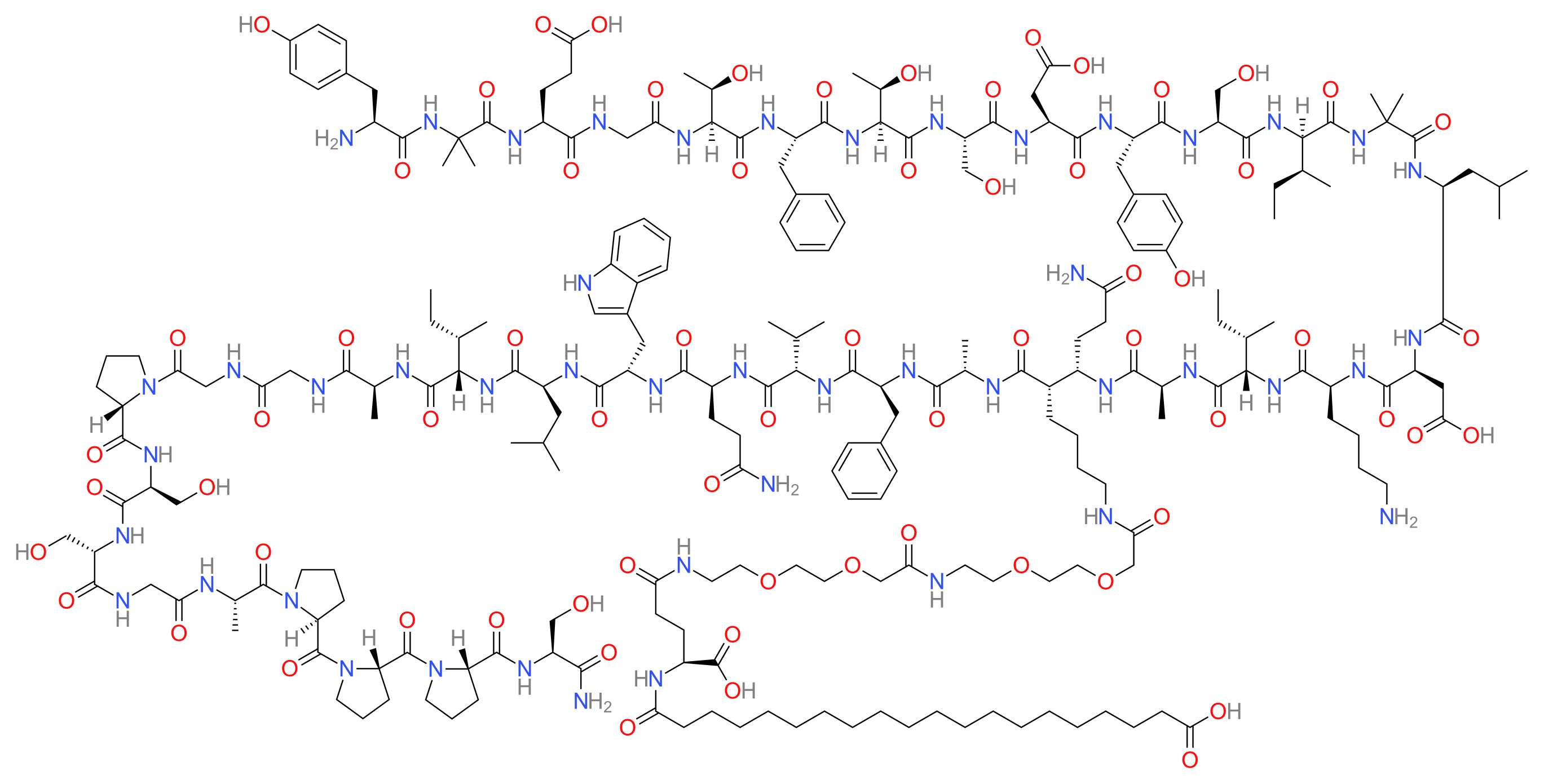
Tirzepatide
From Peptidepedia, the trusted peptide wiki.



- Tirzepatide is a medicine that helps people lose weight by reducing hunger and controlling blood sugar.
- The medicine works by activating two different receptors in the body that control appetite and metabolism.
- People typically lose 15-25% of their body weight over several months with tirzepatide treatment.
Tirzepatide is a dual glucose-dependent insulinotropic polypeptide (GIP) and glucagon-like peptide-1 (GLP-1) receptor agonist that has emerged as one of the most effective agents for weight loss and glycemic control in individuals with type 2 diabetes and obesity. Popular among those seeking significant body weight reduction, metabolic improvement, and appetite suppression, tirzepatide has demonstrated unprecedented efficacy in clinical trials, with participants losing up to 20-25% of their body weight. Typical dosing begins at 2.5 mg weekly via subcutaneous injection, with gradual titration to maintenance doses of 5 mg, 10 mg, or 15 mg weekly over 16-20 weeks, depending on tolerability and therapeutic goals.
What Is Tirzepatide?
Tirzepatide is a synthetic peptide consisting of 39 amino acids, engineered to simultaneously activate both GIP and GLP-1 receptors—a first-in-class mechanism that distinguishes it from earlier incretin-based therapies such as semaglutide or liraglutide, which target only the GLP-1 receptor. Developed by Eli Lilly, tirzepatide was approved by the U.S. Food and Drug Administration in May 2022 under the brand name Mounjaro for type 2 diabetes management, and subsequently in November 2023 as Zepbound for chronic weight management in adults with obesity or overweight with at least one weight-related comorbidity.
The peptide's unique dual-agonist design allows it to harness the complementary metabolic effects of both incretin hormones. GIP, historically underutilized in pharmacotherapy, enhances insulin secretion, promotes lipid metabolism in adipose tissue, and may contribute to improved satiety signaling. When combined with GLP-1 receptor activation, which slows gastric emptying, reduces appetite, and improves insulin sensitivity, the result is a synergistic effect that surpasses single-receptor agonists in both weight loss and glycemic outcomes.
Tirzepatide has gained substantial popularity among individuals seeking medical weight management solutions, those with metabolic syndrome, and increasingly within wellness and optimization communities interested in its body composition benefits. Its efficacy profile has made it a subject of intense clinical and public interest.
How It Works
Dual Incretin Receptor Activation
Tirzepatide's primary mechanism involves simultaneous agonism at both GIP and GLP-1 receptors. Upon binding to these receptors on pancreatic beta cells, tirzepatide potentiates glucose-dependent insulin secretion, meaning insulin release increases only when blood glucose is elevated, thereby minimizing hypoglycemia risk. The GIP component additionally acts on alpha cells to modulate glucagon secretion in a glucose-dependent manner, contributing to improved glycemic homeostasis.
Appetite Suppression and Satiety Enhancement
Both GIP and GLP-1 receptors are expressed in the central nervous system, particularly in hypothalamic regions governing appetite and energy balance. Tirzepatide's activation of these receptors reduces hunger, increases feelings of fullness, and decreases food intake. Clinical trial participants consistently report significant reductions in appetite and caloric consumption, which directly contributes to the substantial weight loss observed.
Delayed Gastric Emptying
GLP-1 receptor activation slows the rate at which food exits the stomach, prolonging postprandial satiety and reducing glucose excursions after meals. This mechanism contributes to both improved glycemic control and reduced overall food intake throughout the day.
Metabolic Effects on Adipose Tissue
Emerging evidence suggests that GIP receptor activation in adipose tissue may enhance lipid storage efficiency and improve adipocyte function, potentially contributing to favorable changes in body composition beyond simple caloric restriction. Research indicates tirzepatide may preferentially reduce visceral adipose tissue, the metabolically harmful fat depot associated with cardiovascular and metabolic disease risk.

Dosage Protocols
Tirzepatide is administered once weekly via subcutaneous injection. The established titration protocol is designed to minimize gastrointestinal side effects while achieving therapeutic doses:
Initiation Phase:
- Weeks 1-4: 2.5 mg once weekly
Titration Phase:
- Weeks 5-8: 5 mg once weekly
- Weeks 9-12: 7.5 mg once weekly (if tolerated and additional efficacy desired)
- Weeks 13-16: 10 mg once weekly
- Weeks 17-20: 12.5 mg once weekly
- Week 21 onward: 15 mg once weekly (maximum dose)
Not all individuals require escalation to the maximum dose. Many achieve satisfactory results at 5 mg, 10 mg, or intermediate doses. The titration schedule may be extended if gastrointestinal tolerability is problematic, with some practitioners recommending 6-8 week intervals between dose increases rather than the standard 4 weeks.
For weight management specifically, clinical trials utilized the full titration to 5 mg, 10 mg, or 15 mg maintenance doses, with higher doses generally producing greater weight loss but also increased side effect frequency.
How to Use / Administration
Tirzepatide is supplied in pre-filled single-dose pens or, in research contexts, as lyophilized powder requiring reconstitution. Administration involves subcutaneous injection into the abdomen, thigh, or upper arm, with rotation of injection sites recommended to prevent lipodystrophy.
Injection Protocol:
- Allow the medication to reach room temperature if refrigerated
- Select and clean the injection site with alcohol
- Pinch the skin and insert the needle at a 90-degree angle (or 45 degrees for very lean individuals)
- Inject slowly and hold for 5-10 seconds before withdrawing
- Do not rub the injection site
Injections should be administered on the same day each week, though the specific day can be changed if necessary, provided at least 3 days (72 hours) separate doses. Tirzepatide can be taken with or without food.
Results Timelines
Clinical evidence and real-world experience suggest the following general timeline for tirzepatide effects:
Weeks 1-4: Initial appetite suppression typically begins within the first week. Some individuals notice reduced hunger and earlier satiety almost immediately. Weight loss during this phase averages 2-4% of body weight, primarily reflecting reduced caloric intake and some fluid shifts.
Weeks 4-12: As doses increase, appetite suppression intensifies. Weight loss accelerates, with most individuals losing 5-10% of initial body weight by week 12. Glycemic improvements in diabetic individuals are typically evident within 4-8 weeks, with significant HbA1c reductions observed.
Weeks 12-24: Continued weight loss occurs, though the rate may begin to plateau. By 24 weeks, clinical trial participants averaged 15-18% body weight reduction at higher doses.
Weeks 24-72: The SURMOUNT-1 trial demonstrated that participants on 15 mg tirzepatide achieved average weight loss of 22.5% at 72 weeks, with some individuals exceeding 25% reduction. Weight loss typically plateaus between 52-72 weeks as a new energy equilibrium is established.
Research Evidence
Tirzepatide's efficacy is supported by an extensive clinical trial program. The SURPASS trials evaluated tirzepatide in type 2 diabetes, while the SURMOUNT trials assessed its weight management potential in individuals with obesity.
SURPASS-2 compared tirzepatide to semaglutide 1 mg in type 2 diabetes patients. Tirzepatide at all doses (5 mg, 10 mg, 15 mg) demonstrated superior HbA1c reductions and weight loss compared to semaglutide, establishing its position as the most effective incretin therapy available.
SURMOUNT-1 enrolled adults with obesity or overweight without diabetes. At 72 weeks, mean weight reductions were 15.0% (5 mg), 19.5% (10 mg), and 20.9% (15 mg) compared to 3.1% with placebo. Notably, 36% of participants on the 15 mg dose achieved ≥25% weight loss.
SURMOUNT-2 evaluated tirzepatide in adults with type 2 diabetes and obesity, demonstrating 12.8% to 14.7% weight loss at 72 weeks alongside significant glycemic improvements.
Additional research has explored tirzepatide's effects on cardiovascular risk factors, demonstrating improvements in blood pressure, lipid profiles, and inflammatory markers, suggesting potential cardiovascular benefits beyond weight loss alone.
Stacking Considerations
While tirzepatide is highly effective as monotherapy, some practitioners and researchers have explored combinations with other agents:
Metformin: Commonly co-administered in type 2 diabetes, metformin may provide complementary glycemic benefits through hepatic glucose output reduction.
SGLT2 Inhibitors: Sodium-glucose cotransporter-2 inhibitors offer additive weight loss (typically 2-3 kg) and cardiovascular/renal protective effects independent of tirzepatide's mechanisms.
Testosterone Replacement: In hypogonadal men, testosterone therapy may help preserve lean mass during rapid weight loss phases.
Combining tirzepatide with other GLP-1 receptor agonists is not recommended due to overlapping mechanisms and increased adverse effect risk. Similarly, combining with insulin requires careful monitoring due to hypoglycemia potential.
Reconstitution, Storage & Preparation
Commercial Preparations (Mounjaro/Zepbound):
Pre-filled pens should be stored refrigerated at 2-8°C (36-46°F) until use. Pens may be kept at room temperature (up to 30°C/86°F) for a maximum of 21 days if needed. Protect from light and do not freeze.
Research-Grade Lyophilized Powder:
For reconstitution of lyophilized tirzepatide:
- Use bacteriostatic water (preserved with 0.9% benzyl alcohol) for multi-use reconstitution
- Add diluent slowly to the vial wall, avoiding direct stream onto the powder
- Gently swirl—never shake—until fully dissolved
- Solution should be clear and colorless; discard if cloudy or particulate matter is visible
- Store reconstituted solution refrigerated and use within 28 days
Proper cold-chain maintenance is essential for peptide stability. Degraded tirzepatide may exhibit reduced efficacy and increased immunogenicity risk.
Side Effects
Gastrointestinal adverse effects are the most common with tirzepatide, typically dose-dependent and most pronounced during titration phases:
Common (>10% incidence):
- Nausea (most frequent, affecting up to 30% at higher doses)
- Diarrhea
- Decreased appetite
- Vomiting
- Constipation
- Dyspepsia
- Abdominal pain
Less Common (1-10% incidence):
- Injection site reactions
- Fatigue
- Hypoglycemia (primarily in those on concurrent insulin or sulfonylureas)
- Hair loss (typically temporary, related to rapid weight loss)
- Gastroesophageal reflux
Rare but Serious:
- Pancreatitis (discontinue if suspected)
- Gallbladder disease (increased incidence with rapid weight loss)
- Hypersensitivity reactions
- Thyroid C-cell tumors (observed in rodent studies; human relevance uncertain)
Tirzepatide carries a boxed warning regarding thyroid C-cell tumor risk based on animal data and is contraindicated in individuals with personal or family history of medullary thyroid carcinoma or Multiple Endocrine Neoplasia syndrome type 2.
Legal Status / FDA Approval
Tirzepatide is FDA-approved and legally available by prescription in the United States under two brand names:
- Mounjaro: Approved May 2022 for type 2 diabetes mellitus
- Zepbound: Approved November 2023 for chronic weight management
It is classified as a prescription medication requiring physician oversight. Compounded versions have faced regulatory scrutiny, with the FDA maintaining tirzepatide on its drug shortage list, which has permitted certain compounding pharmacies to produce copies under section 503A and 503B of the Federal Food, Drug, and Cosmetic Act.
Research-use-only tirzepatide is available from peptide suppliers but is not approved for human use outside of clinical trials or prescription contexts.
Sports / WADA Status
Tirzepatide is prohibited in sport by the World Anti-Doping Agency (WADA). It falls under class S2 (Peptide Hormones, Growth Factors, Related Substances, and Mimetics) of the WADA Prohibited List. Athletes subject to anti-doping regulations should be aware that tirzepatide and related incretin mimetics are banned both in-competition and out-of-competition. Therapeutic Use Exemptions (TUEs) may be available for athletes with legitimate medical need, though approval is not guaranteed.
Conclusion
Tirzepatide represents a significant advancement in peptide-based metabolic therapy, offering unprecedented efficacy for weight management and glycemic control through its novel dual GIP/GLP-1 receptor agonism. Clinical evidence consistently demonstrates superior outcomes compared to existing therapies, with acceptable tolerability when appropriately titrated. For individuals considering tirzepatide, understanding proper dosing protocols, realistic timelines, and potential adverse effects is essential for optimizing outcomes and minimizing risks. As with any potent pharmacological agent, medical supervision and individualized assessment remain paramount.
Frequently Asked Questions
How is tirzepatide different from semaglutide?
Tirzepatide activates both GIP and GLP-1 receptors, while semaglutide targets only GLP-1 receptors. Head-to-head trials demonstrate tirzepatide produces greater weight loss and HbA1c reduction than semaglutide 1 mg.
How long does it take to see weight loss results?
Most individuals notice appetite changes within the first week and measurable weight loss within 2-4 weeks. Significant results (10%+ body weight loss) typically require 12-24 weeks of treatment.
Can I stop tirzepatide after reaching my goal weight?
Weight regain is common after discontinuation. The SURMOUNT-4 trial demonstrated that participants who stopped tirzepatide regained approximately two-thirds of lost weight within one year. Long-term or indefinite use may be necessary for weight maintenance.
What happens if I miss a dose?
If fewer than 4 days (96 hours) have passed since the missed dose, administer it as soon as possible. If more than 4 days have passed, skip the missed dose and resume the regular schedule.
Is tirzepatide safe for people without diabetes?
Yes. The SURMOUNT trials specifically enrolled non-diabetic individuals with obesity, demonstrating safety and efficacy in this population. Hypoglycemia risk is minimal in non-diabetic individuals not taking other glucose-lowering medications.
Can tirzepatide cause muscle loss?
Rapid weight loss from any intervention typically involves some lean mass reduction. Studies suggest approximately 25-40% of weight lost may be lean mass. Adequate protein intake (1.2-1.6 g/kg body weight) and resistance exercise are recommended to preserve muscle.
How should I manage nausea from tirzepatide?
Eating smaller, more frequent meals; avoiding high-fat foods; staying hydrated; and eating slowly can help. If nausea is severe, extending the titration schedule or temporarily reducing the dose may be appropriate.
Is tirzepatide covered by insurance?
Coverage varies significantly by insurer and indication. Many plans cover Mounjaro for type 2 diabetes but may have restrictions for Zepbound (weight management indication). Prior authorization is commonly required.
References
- Frías JP, et al. Tirzepatide versus Semaglutide Once Weekly in Patients with Type 2 Diabetes. N Engl J Med. 2021;385(6):503-515. https://www.nejm.org/doi/full/10.1056/NEJMoa2107519
- Jastreboff AM, et al. Tirzepatide Once Weekly for the Treatment of Obesity. N Engl J Med. 2022;387(3):205-216. https://www.nejm.org/doi/full/10.1056/NEJMoa2206038
- Garvey WT, et al. Tirzepatide once weekly for the treatment of obesity in people with type 2 diabetes. Lancet. 2023;402(10402):613-626. https://www.thelancet.com/journals/lancet/article/PIIS0140-6736(23)01200-X/fulltext
- Rosenstock J, et al. Efficacy and safety of a novel dual GIP and GLP-1 receptor agonist tirzepatide in patients with type 2 diabetes (SURPASS-1). Lancet. 2021;398(10295):143-155. https://www.thelancet.com/journals/lancet/article/PIIS0140-6736(21)01324-6/fulltext
- Nauck MA, D'Alessio DA. Tirzepatide, a dual GIP/GLP-1 receptor co-agonist for the treatment of type 2 diabetes with unmatched effectiveness. Cardiovasc Diabetol. 2022;21(1):66. https://www.ncbi.nlm.nih.gov/pmc/articles/PMC9184688/
- Samms RJ, et al. How May GIP Enhance the Therapeutic Efficacy of GLP-1? Trends Endocrinol Metab. 2020;31(6):410-421. https://www.ncbi.nlm.nih.gov/pmc/articles/PMC9486455/
- U.S. Food and Drug Administration. FDA Approves New Medication for Chronic Weight Management. November 2023. https://www.fda.gov/news-events/press-announcements/fda-approves-new-medication-chronic-weight-management
- Mounjaro (tirzepatide) Prescribing Information. Eli Lilly and Company. 2022. https://www.accessdata.fda.gov/drugsatfda_docs/label/2022/215866s000lbl.pdf
- World Anti-Doping Agency. The Prohibited List 2024. https://www.wada-ama.org/en/prohibited-list
- U.S. Food and Drug Administration. Compounding and the FDA: Questions and Answers. https://www.fda.gov/drugs/human-drug-compounding/compounding-and-fda-questions-and-answers