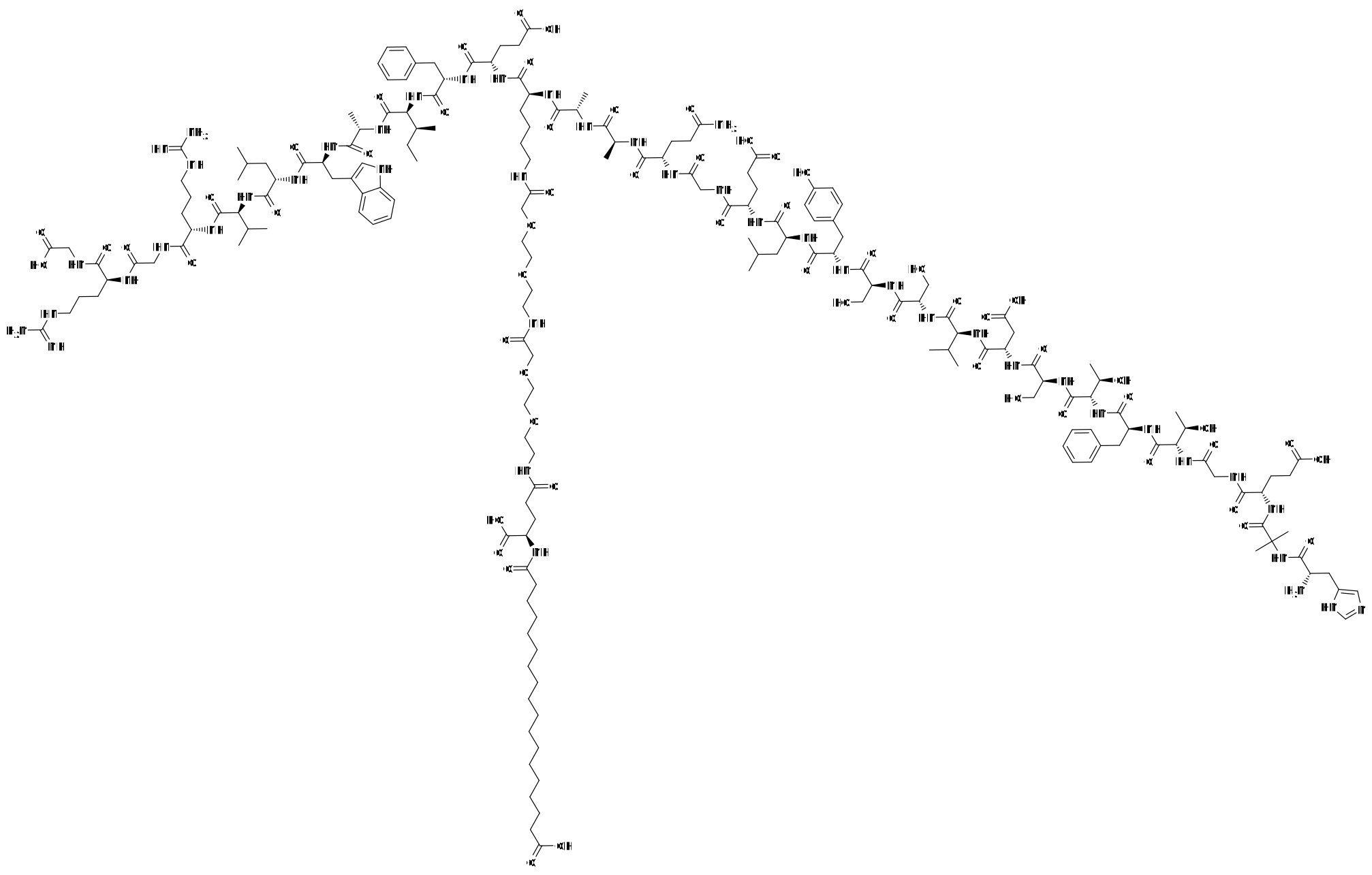
Semaglutide
From Peptidepedia, the trusted peptide wiki.



- Semaglutide is a medicine that reduces appetite and helps people lose weight by mimicking a natural hormone.
- It works by making you feel full faster, slowing digestion, and improving how your body controls blood sugar.
- People typically see meaningful weight loss within 12-20 weeks, with average losses of 15% of body weight.
Semaglutide is a glucagon-like peptide-1 (GLP-1) receptor agonist originally developed for type 2 diabetes management that has gained widespread recognition for its significant weight loss effects. It works by mimicking the natural GLP-1 hormone, reducing appetite, slowing gastric emptying, and improving glycemic control. Semaglutide has become exceptionally popular among individuals seeking substantial weight reduction, those managing metabolic syndrome, and increasingly within fitness and bodybuilding communities for body recomposition. Typical dosing follows a gradual escalation protocol starting at 0.25 mg weekly, increasing to a maintenance dose of 1.0–2.4 mg weekly depending on indication, with meaningful results typically observed within 12–20 weeks of consistent use.
What Is Semaglutide?
Semaglutide is a synthetic analog of human glucagon-like peptide-1 (GLP-1), a naturally occurring incretin hormone released by the intestines in response to food intake. Developed by Novo Nordisk, it was first approved by the FDA in 2017 under the brand name Ozempic for type 2 diabetes and later in 2021 as Wegovy specifically for chronic weight management.
What distinguishes semaglutide from earlier GLP-1 receptor agonists is its extended half-life of approximately seven days, achieved through structural modifications including an amino acid substitution and the addition of a fatty acid chain that promotes albumin binding. This pharmacokinetic profile allows for once-weekly administration rather than daily dosing required by older analogs like liraglutide.
The primary human-use benefits of semaglutide include:
- Significant and sustained weight loss (average 15–17% of body weight in clinical trials)
- Improved glycemic control and HbA1c reduction
- Cardiovascular risk reduction in diabetic populations
- Decreased appetite and food cravings
- Potential neuroprotective effects currently under investigation
Semaglutide's popularity extends beyond diabetic populations to include individuals with obesity, those pursuing aesthetic body composition goals, and athletes in weight-class sports seeking controlled weight management strategies.
How It Works
GLP-1 Receptor Activation
Semaglutide functions as a potent agonist at GLP-1 receptors distributed throughout the body, including the pancreas, brain, heart, and gastrointestinal tract. Upon binding to pancreatic beta-cell receptors, it stimulates glucose-dependent insulin secretion while simultaneously suppressing glucagon release from alpha cells. This dual action improves postprandial glucose control without the hypoglycemia risk associated with insulin secretagogues.
Appetite Suppression and Satiety Enhancement
The weight loss effects of semaglutide are primarily mediated through central nervous system mechanisms. GLP-1 receptors in the hypothalamus and brainstem regulate hunger and satiety signals. Semaglutide crosses the blood-brain barrier and activates these receptors, reducing appetite, increasing feelings of fullness after smaller meals, and diminishing food reward pathways that drive hedonic eating behaviors.
Gastric Emptying Delay
Semaglutide significantly slows the rate at which food leaves the stomach, contributing to prolonged satiety and reduced caloric intake. This delayed gastric emptying also blunts postprandial glucose spikes by slowing carbohydrate absorption. While beneficial for weight management, this mechanism underlies some gastrointestinal side effects experienced during treatment initiation.
Cardiovascular and Metabolic Effects
Beyond glucose and weight management, semaglutide demonstrates direct cardiovascular benefits. The SUSTAIN-6 and SELECT trials demonstrated reduced rates of major adverse cardiovascular events including myocardial infarction and stroke in treated populations. Additional metabolic improvements include reductions in systolic blood pressure, triglycerides, and inflammatory markers.

Dosage Protocols
Semaglutide dosing follows a mandatory titration schedule designed to minimize gastrointestinal side effects and improve tolerability. Initiating at full therapeutic doses significantly increases adverse event rates and treatment discontinuation.
For weight management (Wegovy protocol):
- Weeks 1–4: 0.25 mg once weekly
- Weeks 5–8: 0.5 mg once weekly
- Weeks 9–12: 1.0 mg once weekly
- Weeks 13–16: 1.7 mg once weekly
- Week 17 onward: 2.4 mg once weekly (maintenance)
For glycemic control (Ozempic protocol):
- Weeks 1–4: 0.25 mg once weekly
- Weeks 5–8: 0.5 mg once weekly
- Week 9 onward: 1.0 mg once weekly (may increase to 2.0 mg if needed)
Unlike anabolic compounds, semaglutide does not require cycling. Clinical evidence supports continuous long-term use, with weight regain commonly observed upon discontinuation. The STEP 4 trial demonstrated that participants who discontinued semaglutide after 20 weeks regained approximately two-thirds of lost weight within one year.
For those using research-grade semaglutide, precise dosing requires accurate reconstitution calculations and insulin syringes capable of measuring small volumes.
How to Use / Administration Methods
Semaglutide is administered via subcutaneous injection once weekly, on the same day each week, with or without food. Injection sites include the abdomen (avoiding the 2-inch radius around the navel), front of thighs, or upper arms. Rotation of injection sites is recommended to prevent lipodystrophy.
Injection procedure:
- Allow refrigerated semaglutide to reach room temperature (15–30 minutes)
- Clean injection site with alcohol swab
- Pinch skin fold at chosen site
- Insert needle at 90-degree angle (45 degrees for very lean individuals)
- Inject slowly and hold for 5–10 seconds before withdrawal
- Do not rub injection site
Timing flexibility allows administration up to 5 days before or after the scheduled day if a dose is missed. If more than 5 days have elapsed, skip the missed dose and resume the regular schedule. The injection day may be changed as long as at least 48 hours separate doses.
An oral formulation (Rybelsus) exists for diabetes management at doses of 7–14 mg daily, though bioavailability is significantly lower than injectable forms, and it must be taken on an empty stomach with minimal water.
Results Timelines
Weeks 1–4 (0.25 mg):
Initial appetite suppression typically begins within the first week. Weight loss during this phase averages 1–2% of body weight. Some users report reduced food noise and decreased interest in snacking. Gastrointestinal adjustment occurs during this period.
Weeks 5–12 (0.5–1.0 mg):
More pronounced appetite reduction and consistent weight loss of 5–8% from baseline. Improved fasting glucose levels become measurable. Energy levels may fluctuate as caloric intake decreases.
Weeks 13–20 (1.7–2.4 mg):
Weight loss acceleration with total reductions of 10–15% commonly achieved. Significant improvements in waist circumference, blood pressure, and lipid profiles. Most gastrointestinal side effects resolve or become manageable.
Weeks 20–68:
The STEP 1 trial demonstrated average weight loss of 14.9% at 68 weeks with 2.4 mg weekly dosing, with approximately one-third of participants achieving ≥20% weight reduction. Continued use maintains weight loss; discontinuation typically results in gradual regain.
Research Evidence
The clinical evidence supporting semaglutide is extensive and robust, derived from multiple large-scale randomized controlled trials.
The STEP (Semaglutide Treatment Effect in People with Obesity) program comprises several pivotal trials. STEP 1 enrolled 1,961 adults with obesity without diabetes, demonstrating 14.9% mean weight loss versus 2.4% with placebo over 68 weeks. STEP 2 focused on diabetic populations, showing 9.6% weight reduction alongside improved glycemic control.
The SELECT cardiovascular outcomes trial, published in 2023, demonstrated a 20% reduction in major adverse cardiovascular events in overweight/obese individuals without diabetes, establishing semaglutide's cardioprotective benefits independent of glycemic effects.
Emerging research explores semaglutide's potential in non-alcoholic fatty liver disease (NAFLD), with early trials showing significant improvements in liver histology and fibrosis markers. Neurological applications including Alzheimer's disease and Parkinson's disease are under active investigation based on observed neuroprotective mechanisms in preclinical models.
Stacking
Semaglutide is sometimes combined with other compounds to enhance body composition outcomes, though such combinations require careful consideration of interactions and cumulative side effects.
Common stacking approaches include:
With testosterone or anabolic compounds: Some users combine semaglutide with testosterone replacement or anabolic agents during cutting phases to preserve lean mass while maximizing fat loss. Semaglutide's appetite suppression facilitates the caloric deficit while androgens support muscle retention.
With growth hormone peptides: Combinations with growth hormone secretagogues (e.g., tesamorelin, ipamorelin) are used for enhanced lipolysis and body recomposition. Caution is warranted as both compound classes affect glucose metabolism.
With metformin: This combination is common in diabetic populations and may provide additive weight loss benefits through complementary mechanisms.
With tirzepatide: Switching to or from tirzepatide (a dual GIP/GLP-1 agonist) is increasingly common, though simultaneous use is not recommended due to overlapping mechanisms and increased adverse event risk.
Reconstitution, Storage & Prep
Pharmaceutical semaglutide (Ozempic, Wegovy) comes in pre-filled pens requiring no reconstitution. Store refrigerated at 2–8°C (36–46°F) until first use. After initial use, pens may be stored at room temperature (up to 30°C/86°F) or refrigerated for up to 56 days. Protect from light and do not freeze.
For lyophilized research-grade semaglutide:
- Gather supplies: bacteriostatic water (BAC water), alcohol swabs, insulin syringes
- Clean vial stoppers with alcohol
- Slowly inject BAC water down the vial wall (avoid direct stream onto powder)
- Gently swirl until fully dissolved (do not shake)
- Calculate concentration based on powder amount and water volume
Example calculation: 5 mg semaglutide reconstituted with 2 mL BAC water = 2.5 mg/mL (250 mcg per 0.1 mL)
Reconstituted semaglutide should be refrigerated and used within 28–30 days. Never freeze reconstituted peptides. Discard if solution appears cloudy or contains particulates.
Side Effects
Gastrointestinal adverse effects are the most common, particularly during dose escalation:
Common (>10% incidence):
- Nausea (most frequent, typically transient)
- Diarrhea
- Vomiting
- Constipation
- Abdominal pain
Less common (1–10% incidence):
- Injection site reactions
- Fatigue
- Dizziness
- Dyspepsia
- Gastroesophageal reflux
Rare but serious:
- Pancreatitis (discontinue immediately if suspected)
- Gallbladder disease and cholelithiasis
- Acute kidney injury (usually secondary to dehydration from GI effects)
- Hypoglycemia (primarily when combined with insulin or sulfonylureas)
- Thyroid C-cell tumors (observed in rodent studies; human relevance uncertain)
Semaglutide carries a boxed warning regarding thyroid C-cell tumor risk based on animal data. It is contraindicated in individuals with personal or family history of medullary thyroid carcinoma or Multiple Endocrine Neoplasia syndrome type 2.
Mitigation strategies include strict adherence to titration schedules, eating smaller meals, avoiding high-fat foods, and maintaining adequate hydration.
Legal Status / FDA
Semaglutide is FDA-approved and legally available by prescription in the United States under the brand names Ozempic (diabetes), Wegovy (weight management), and Rybelsus (oral, diabetes). It is classified as a prescription medication, not a controlled substance.
Compounded semaglutide exists in a regulatory gray area. During drug shortages, compounding pharmacies may legally produce semaglutide preparations. However, the FDA has issued warnings about compounded versions, citing quality control concerns and instances of products containing incorrect doses or salt forms (semaglutide sodium versus semaglutide base).
Research-grade semaglutide sold as "not for human consumption" occupies an unregulated space. While purchase is generally legal, human use occurs outside regulatory oversight without quality assurances.
Internationally, semaglutide is approved in the European Union, United Kingdom, Canada, Australia, and numerous other jurisdictions with similar prescription requirements.
Sports/WADA Status
Semaglutide is not currently listed on the World Anti-Doping Agency (WADA) Prohibited List and is not banned in most professional sports. However, athletes should verify current regulations with their specific governing bodies, as policies vary and evolve.
While not prohibited, semaglutide use in competitive sports raises ethical considerations, particularly in weight-class sports where it could provide advantages in making weight while preserving performance capacity. Some athletic organizations are monitoring GLP-1 agonist use and may implement future restrictions.
Athletes subject to drug testing should be aware that while semaglutide itself is not prohibited, some compounded or research-grade products may contain undisclosed substances that could trigger positive tests.
Conclusion
Semaglutide represents a significant advancement in pharmacological weight management and metabolic health. Its robust clinical evidence base, once-weekly dosing convenience, and substantial efficacy distinguish it from previous interventions. For individuals committed to using peptides for body composition or metabolic optimization, semaglutide offers a well-characterized option with predictable outcomes when used appropriately.
Success with semaglutide requires patience during titration, realistic expectations regarding timelines, and commitment to lifestyle modifications that support long-term weight maintenance. While generally well-tolerated, awareness of potential adverse effects and contraindications is essential for safe use.
FAQ
How quickly will I lose weight on semaglutide?
Most users notice appetite changes within the first week, with measurable weight loss of 5% typically achieved by weeks 8–12. Maximum effects occur at maintenance dosing, with average losses of 15% at one year.
Can I skip the dose escalation and start at a higher dose?
This is strongly discouraged. Rapid dose escalation dramatically increases nausea, vomiting, and treatment discontinuation rates. The titration schedule exists specifically to improve tolerability.
What happens when I stop taking semaglutide?
Clinical data shows most individuals regain a significant portion of lost weight within 1–2 years of discontinuation. Sustainable lifestyle changes during treatment improve long-term outcomes.
Is semaglutide safe for long-term use?
Current evidence supports safety with continuous use for several years. Ongoing post-marketing surveillance continues to monitor long-term outcomes. The cardiovascular benefits observed in trials suggest favorable risk-benefit profiles for indicated populations.
Can I drink alcohol while using semaglutide?
Moderate alcohol consumption is not contraindicated but may worsen gastrointestinal side effects. Alcohol provides empty calories that counteract weight loss goals. Those with diabetes should be aware of hypoglycemia risks.
How do I manage nausea from semaglutide?
Eat smaller, more frequent meals; avoid fatty or greasy foods; stay hydrated; eat slowly; and avoid lying down immediately after eating. Nausea typically improves after 4–8 weeks at each dose level.
Is there a difference between Ozempic and Wegovy?
Both contain semaglutide. Ozempic is approved for diabetes (maximum 2.0 mg), while Wegovy is approved for weight management (maximum 2.4 mg) with a different titration schedule. The molecule is identical.
Can semaglutide be used with other weight loss medications?
Combination with other GLP-1 agonists is not recommended. Use with phentermine or other appetite suppressants lacks robust safety data. Always disclose all medications to healthcare providers.
References
- FDA Approval Announcement for Wegovy: https://www.fda.gov/news-events/press-announcements/fda-approves-new-drug-treatment-chronic-weight-management-first-2014
- Semaglutide Mechanism of Action Review: https://www.ncbi.nlm.nih.gov/pmc/articles/PMC9486455/
- Central Nervous System Effects of GLP-1 Agonists: https://www.nature.com/articles/s41591-021-01544-5
- STEP 1 Trial (Wilding et al., NEJM 2021): https://www.nejm.org/doi/full/10.1056/NEJMoa2032183
- STEP 4 Trial Weight Regain Data: https://jamanetwork.com/journals/jama/fullarticle/2777886
- STEP 2 Trial in Diabetic Populations: https://www.thelancet.com/journals/lancet/article/PIIS0140-6736(21)00213-0/fulltext
- SELECT Cardiovascular Outcomes Trial: https://www.nejm.org/doi/full/10.1056/NEJMoa2307563
- Wegovy Prescribing Information: https://www.accessdata.fda.gov/drugsatfda_docs/label/2021/215256s000lbl.pdf
- FDA Statement on Compounded Semaglutide: https://www.fda.gov/drugs/human-drug-compounding/compounded-versions-semaglutide