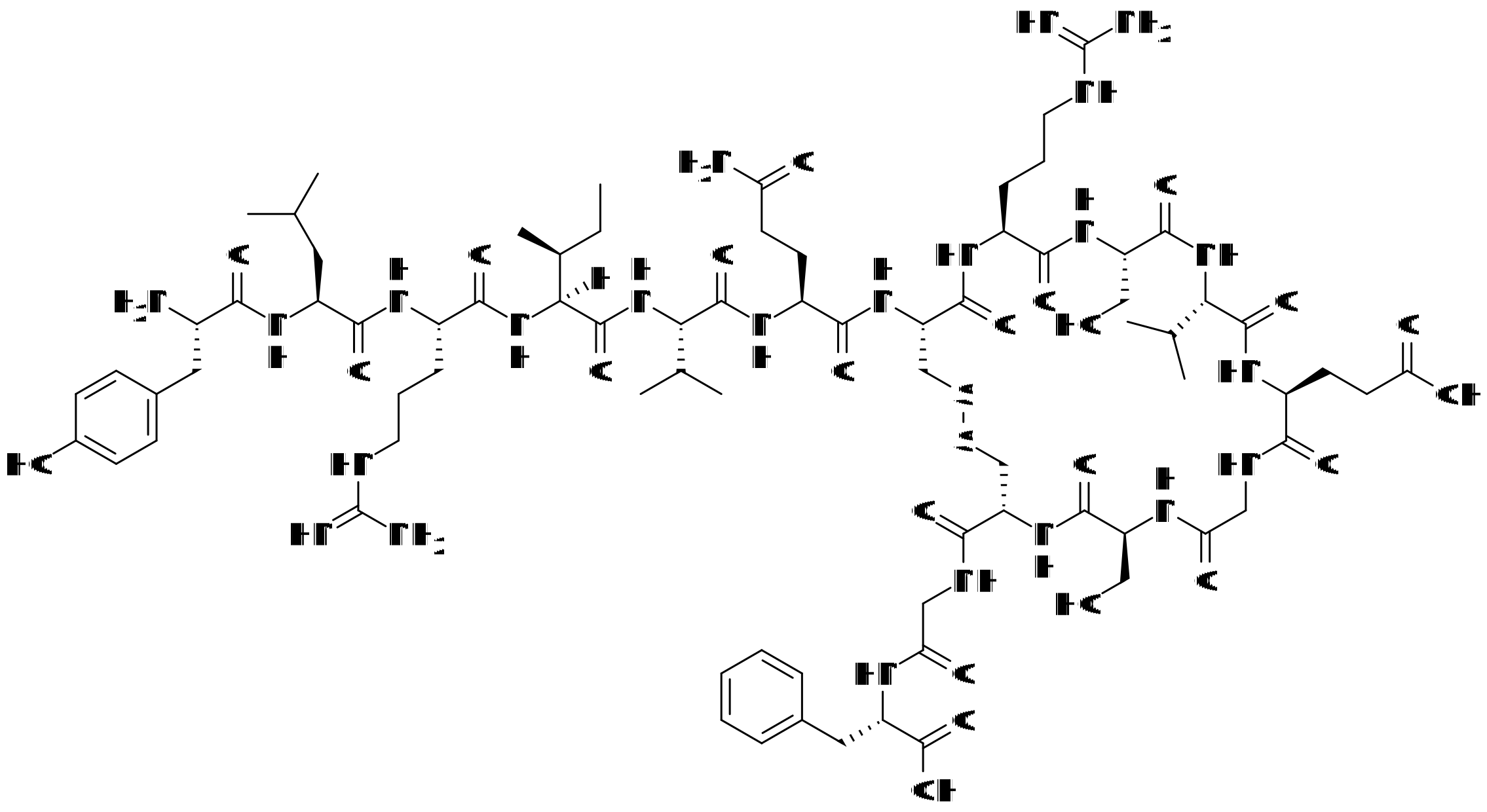
AOD-9604
From Peptidepedia, the trusted peptide wiki.



- AOD-9604 is a synthetic peptide fragment from human growth hormone designed to burn fat without harmful side effects.
- It works by breaking down fat and preventing new fat storage in the body without affecting blood sugar.
- Results typically appear after 4-8 weeks of use combined with proper diet and exercise routines.
AOD-9604 is a synthetic peptide fragment derived from the C-terminus of human growth hormone (hGH), specifically amino acids 177-191, designed to stimulate fat metabolism without the adverse effects associated with full growth hormone therapy. This 16-amino acid peptide has gained significant popularity among individuals seeking targeted fat loss, particularly those in fitness, bodybuilding, and anti-aging communities. AOD-9604 is valued for its ability to enhance lipolysis (fat breakdown) while inhibiting lipogenesis (fat storage), without affecting blood glucose levels or promoting cell proliferation. Typical dosing ranges from 300-500 mcg daily via subcutaneous injection, administered in cycles of 8-12 weeks, with users often reporting initial results within 4-8 weeks of consistent use.
What Is AOD-9604?
AOD-9604 (Anti-Obesity Drug 9604) is a modified fragment of human growth hormone that was originally developed by Metabolic Pharmaceuticals in Australia during the 1990s as a potential treatment for obesity. The peptide represents the lipolytic (fat-burning) region of hGH, specifically the C-terminal fragment spanning amino acids 177-191, with an additional tyrosine amino acid added to enhance stability.
What makes AOD-9604 unique among growth hormone-related compounds is its selective action on fat tissue. Unlike full human growth hormone, AOD-9604 does not compete for the hGH receptor and does not induce cell proliferation. This means it can stimulate fat metabolism without the diabetogenic side effects, IGF-1 elevation, or growth-promoting properties associated with hGH therapy.
The primary benefits attributed to AOD-9604 include:
- Stimulation of lipolysis in adipose tissue
- Inhibition of lipogenesis (new fat formation)
- Potential reduction in abdominal fat
- No negative effects on carbohydrate metabolism
- No impact on blood glucose or insulin sensitivity
How It Works
Beta-3 Adrenergic Receptor Upregulation
AOD-9604 appears to enhance lipolysis primarily by upregulating beta-3 adrenergic receptors in adipose tissue. Research published in Endocrinology demonstrated that both human growth hormone and AOD-9604 significantly increased the expression of beta-3 adrenergic receptors, restoring suppressed receptor levels in obese animal models to match those in lean controls. Studies using beta-3 adrenergic receptor knockout mice showed they were unresponsive to the lipolytic effects of AOD-9604, confirming this pathway's importance.
Selective Fat Metabolism Without GH Receptor Binding
A critical distinction of AOD-9604 is that it mimics the lipolytic region of human growth hormone without binding to growth hormone receptors. This selective mechanism allows the peptide to reduce body weight gain, increase fat oxidation, and stimulate lipolysis in obese models without the metabolic complications typically associated with growth hormone therapy. Research indicates AOD-9604 triggers fat release from obese fat cells more predominantly than lean ones, suggesting preferential action on excess adipose tissue.
Lipogenesis Inhibition
Beyond breaking down existing fat, AOD-9604 is proposed to inhibit lipogenesis—the process by which the body creates and stores new fat. This dual mechanism of enhancing fat breakdown while reducing fat accumulation may contribute to its potential effectiveness in body composition management.

Dosage Protocols
Standard dosing protocols for AOD-9604 typically fall within the following parameters:
Daily Dosage: 300-500 mcg per day, with some protocols suggesting starting at the lower end and titrating upward based on response.
Cycle Length: Most protocols recommend 8-12 week cycles, with some extending to 12-16 weeks.
Cycling Guidelines: A common approach involves 8-10 weeks of daily administration (Monday through Friday), followed by 6-8 weeks off between cycles. This cycling pattern helps maintain the body's responsiveness to the peptide.
Clinical Trial Dosing: In human clinical trials, oral doses ranged from 9-54 mg in safety studies, while injectable studies used approximately 1 mg daily.
How to Use / Administration
AOD-9604 is most commonly administered via subcutaneous injection, though oral formulations have been studied in clinical trials.
Injection Protocol:
- Inject subcutaneously into the abdominal area, rotating injection sites
- Administer in a fasted state, typically first thing in the morning before eating
- The absence of insulin during fasting may enhance the peptide's effectiveness
- Use an insulin syringe for accurate dosing
- Allow 15-30 minutes before eating after injection
Alternative Administration:
Some formulations are available as oral capsules, though bioavailability may differ from injectable forms.
Results Timeline
Based on user reports and available research, the following timeline represents typical expectations:
Weeks 1-2: Minimal visible changes; the peptide begins establishing metabolic effects
Weeks 4-6: Some users report initial changes in body composition, particularly when combined with proper diet and exercise
Weeks 8-12: More noticeable results typically emerge, including potential reductions in stubborn fat areas
Clinical Data: In a 12-week randomized clinical trial, subjects receiving AOD-9604 (1 mg/day) lost an average of 2.6 kg compared to 0.8 kg in the placebo group. However, results in longer 24-week trials were less conclusive.
Individual results vary significantly based on diet, exercise, baseline body composition, and metabolic factors.
Research Evidence
AOD-9604 has undergone multiple phases of clinical investigation:
Animal Studies: Research in obese Zucker rats and ob/ob mice demonstrated that AOD-9604 reduced body weight without inducing adverse effects on glycemic control normally observed with growth hormone. Studies showed increased fat oxidation and weight loss in obese mice treated chronically with the peptide.
Phase 2 Clinical Trials: Early phase 2 studies confirmed therapeutic benefits, with weight loss rates maintained throughout study periods and additional analyses revealing tendencies to reduce abdominal fat and improve metabolic markers.
Phase 2B Results: The OPTIONS study evaluated AOD-9604 in over 500 subjects over 24 weeks. While the drug demonstrated an excellent safety profile, it failed to produce statistically significant weight loss compared to placebo in this larger trial, leading to discontinuation of development as a pharmaceutical obesity treatment.
Safety Studies: Multiple studies have confirmed AOD-9604 displays a very good safety and tolerability profile indistinguishable from placebo, with no adverse effects on glucose metabolism, IGF-1 levels, or other growth hormone-related parameters.
Stacking
AOD-9604 is frequently combined with other peptides to potentially enhance results:
AOD-9604 + CJC-1295/Ipamorelin: This combination pairs AOD-9604's direct fat metabolism effects with growth hormone-releasing peptides. While AOD-9604 directly affects fat metabolism, CJC-1295 boosts GH production, influencing fat-burning through an indirect pathway.
AOD-9604 + BPC-157: Some protocols combine AOD-9604 with BPC-157 for individuals seeking both fat loss and tissue healing benefits.
AOD-9604 + Semaglutide: This combination aims to maximize weight loss while preserving muscle mass, pairing GLP-1 receptor agonist appetite suppression with AOD-9604's metabolic effects.
When stacking peptides, it's advisable to start with single compounds to assess individual response before combining.
Reconstitution, Storage & Prep
Reconstitution:
- Add 2 mL of bacteriostatic water to a 5 mg vial, creating a concentration of 2.5 mg/mL (2,500 mcg/mL)
- For 10 mg vials, use 2 mL of bacteriostatic water (200 units)
- AOD-9604 is hydrophobic and may become slightly cloudy upon reconstitution—this is normal and safe
- Inject the water slowly along the vial wall; do not shake vigorously
- Some sources recommend using acidified water or glycerin-acetic acid water for optimal dissolution
Storage:
- Unreconstituted powder: Store frozen at approximately -20°C (standard freezer temperature)
- Reconstituted solution: Refrigerate at 2-8°C (standard refrigerator temperature)
- Reconstituted AOD-9604 remains stable for approximately 3-4 weeks when properly refrigerated
- Never freeze reconstituted peptide solution
- Protect from light and avoid repeated temperature fluctuations
Side Effects
AOD-9604 has demonstrated a favorable safety profile in clinical studies:
Common Side Effects:
- Headache (most commonly reported, typically mild to moderate)
- Injection site reactions (redness, mild swelling)
- Mild fatigue
- Gastrointestinal symptoms (nausea, occasional digestive discomfort)
Safety Profile:
Clinical trials found AOD-9604 displayed a safety and tolerability profile indistinguishable from placebo. No serious adverse events or withdrawals related to AOD-9604 were reported in human studies. Importantly, unlike full growth hormone, AOD-9604 did not produce negative effects on carbohydrate metabolism, blood glucose, or insulin sensitivity.
The FDA has cited potential risk for immunogenicity (the ability to trigger immune reactions) as a concern, though clinical evidence of significant immune responses has been limited.
Legal Status / FDA
AOD-9604 occupies a complex regulatory position:
FDA Status: AOD-9604 is not FDA-approved for any therapeutic use in humans. The FDA has proposed not to include AOD-9604 on the bulk drug substances list for compounding, effectively prohibiting its use in compounded medications.
Global Regulatory Status: According to WADA, AOD-9604 remains a substance under pre-clinical and clinical development that has not been approved for therapeutic use by any government health authority worldwide.
Research Chemical Status: AOD-9604 is available through various sources as a research chemical, though its sale for human consumption is not legally sanctioned.
Sports / WADA
AOD-9604 is explicitly prohibited in competitive sports:
WADA Classification: The World Anti-Doping Agency lists AOD-9604 as a prohibited substance under category "S2 Peptide Hormones, Growth Factors, and Related Substances," specifically as a growth hormone fragment.
Prohibition Status: AOD-9604 falls under section S.0 as a non-approved substance, meaning it is banned at all times (in and out of competition) for athletes subject to anti-doping regulations.
Rationale: WADA prohibits AOD-9604 because it mimics the lipolytic properties of growth hormone without diabetogenic side effects, potentially offering performance-enhancing benefits.
Athletes subject to drug testing should avoid AOD-9604 entirely, as detection methods exist and positive tests result in sanctions.
Conclusion
AOD-9604 represents an intriguing approach to targeted fat metabolism, offering the lipolytic benefits of growth hormone's C-terminal fragment without many of the associated risks. While animal studies and early clinical trials showed promise, larger human trials failed to demonstrate statistically significant weight loss, leading to the discontinuation of pharmaceutical development. The peptide maintains an excellent safety profile with minimal side effects, but its regulatory status remains problematic—it is neither FDA-approved nor legal for competitive athletes. For individuals who choose to use AOD-9604, understanding proper reconstitution, dosing protocols, and realistic expectations is essential. As with any unapproved compound, consultation with a knowledgeable healthcare provider is advisable.
FAQ
What is AOD-9604 derived from?
AOD-9604 is a synthetic peptide derived from the C-terminal fragment (amino acids 177-191) of human growth hormone, with an additional tyrosine amino acid for stability.
Does AOD-9604 affect blood sugar levels?
No. Unlike full growth hormone, AOD-9604 has not shown negative effects on carbohydrate metabolism, blood glucose, or insulin sensitivity in clinical studies.
How long does it take to see results from AOD-9604?
Most users report initial changes between 4-8 weeks, with more noticeable results typically emerging after 8-12 weeks of consistent use combined with proper diet and exercise.
Can AOD-9604 be taken orally?
While oral formulations have been studied in clinical trials, subcutaneous injection remains the most common administration method due to potentially better bioavailability.
Is AOD-9604 the same as HGH?
No. AOD-9604 is only a small fragment of HGH that targets fat metabolism specifically. It does not bind to growth hormone receptors or produce the growth-promoting, IGF-1-elevating effects of full HGH.
How should reconstituted AOD-9604 be stored?
Reconstituted AOD-9604 should be refrigerated at 2-8°C and used within 3-4 weeks. Never freeze the reconstituted solution.
Why was AOD-9604 not approved as a pharmaceutical drug?
Despite showing a favorable safety profile, AOD-9604 failed to demonstrate statistically significant weight loss compared to placebo in larger Phase 2B clinical trials, leading to discontinuation of pharmaceutical development.
Can athletes use AOD-9604?
No. AOD-9604 is prohibited by WADA under the category of growth hormone fragments and is banned at all times for athletes subject to anti-doping regulations.