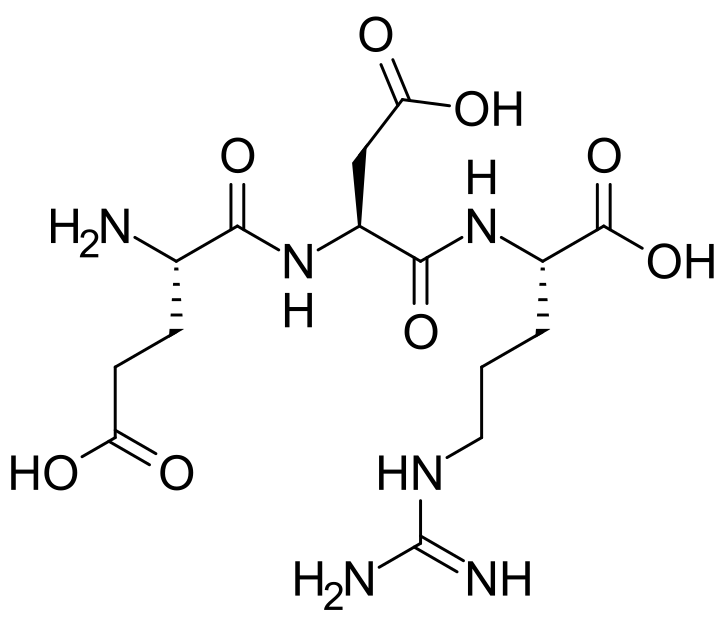
Pinealon
From Peptidepedia, the trusted peptide wiki.



- Pinealon is a synthetic tripeptide developed in Russia to support brain health, sleep, and protect nerve cells from damage.
- It works by potentially changing how genes are expressed in cells, helping the pineal gland produce natural sleep hormones.
- People typically take 10-20 mg daily for 10-30 days, then take breaks, with sleep improvements appearing within one week.
Pinealon is a synthetic tripeptide (Glu-Asp-Arg) developed through Russian bioregulatory research, primarily studied for its neuroprotective and cognitive-enhancing properties. It has gained popularity among biohackers, longevity enthusiasts, and individuals seeking cognitive support, particularly for age-related mental decline, sleep optimization, and stress resilience. Typical dosing protocols range from 10-20 mg daily administered sublingually or intranasally, with cycles lasting 10-30 days followed by equal rest periods.
What Is Pinealon?
Pinealon belongs to a class of compounds known as bioregulatory peptides or cytomedins, originally developed at the St. Petersburg Institute of Bioregulation and Gerontology under the direction of Professor Vladimir Khavinson. This tripeptide consists of three amino acids—glutamic acid, aspartic acid, and arginine—arranged in a specific sequence that demonstrates selective affinity for pineal gland tissue and central nervous system structures.
The compound emerged from decades of Soviet and Russian research into geroprotective substances, with scientists seeking to identify short peptide sequences capable of regulating gene expression in specific tissues. Pinealon represents the synthetic equivalent of naturally occurring peptide fragments found in pineal gland extracts, designed to provide targeted neuroendocrine support without requiring animal-derived materials.
What distinguishes Pinealon from other nootropic compounds is its proposed epigenetic mechanism of action. Rather than functioning as a receptor agonist or enzyme inhibitor, research suggests it may influence gene expression patterns associated with cellular aging and neurodegeneration. This positions it within the emerging field of peptide bioregulation, which theorizes that short amino acid sequences can serve as molecular signals capable of restoring youthful cellular function.
Primary human-use benefits attributed to Pinealon include enhanced cognitive function, improved sleep architecture, neuroprotection against oxidative stress, and potential anti-aging effects on brain tissue. Users commonly report improvements in memory consolidation, mental clarity, and stress adaptation, though individual responses vary considerably.
How It Works
Pineal Gland Modulation
Pinealon demonstrates selective tropism for pinealocytes, the specialized cells of the pineal gland responsible for melatonin synthesis. Research indicates the peptide may enhance melatonin production and normalize circadian rhythm signaling, which becomes increasingly dysregulated with advancing age. By supporting endogenous melatonin synthesis rather than providing exogenous hormone replacement, Pinealon theoretically preserves the body's natural regulatory feedback mechanisms.
Epigenetic Gene Regulation
Studies on short bioregulatory peptides suggest they can penetrate cell membranes and interact directly with DNA, potentially influencing chromatin structure and gene transcription. Pinealon has been observed to affect expression of genes involved in antioxidant defense, cellular repair mechanisms, and neurotransmitter synthesis. This epigenetic modulation may explain the compound's reported effects on multiple physiological systems simultaneously.
Antioxidant and Neuroprotective Activity
Laboratory research demonstrates Pinealon's capacity to reduce markers of oxidative stress in neural tissue. The peptide appears to upregulate endogenous antioxidant enzymes including superoxide dismutase and glutathione peroxidase, providing protection against reactive oxygen species that accumulate with aging and contribute to neurodegeneration.
Neurotransmitter System Support
Evidence suggests Pinealon influences multiple neurotransmitter pathways, including serotonergic and GABAergic systems. By modulating these signaling networks, the peptide may contribute to mood stabilization, anxiety reduction, and improved stress resilience. Some researchers hypothesize this occurs through indirect mechanisms related to improved pineal function and circadian optimization rather than direct receptor binding.

Dosage Protocols
Standard Pinealon dosing follows protocols established through Russian clinical applications and subsequent biohacker experimentation. The most commonly referenced dosage range is 10-20 mg daily, though some protocols suggest doses as low as 5 mg for sensitive individuals or as high as 30 mg for acute cognitive support.
Cycling represents an important consideration with bioregulatory peptides. The prevailing approach involves 10-30 day active periods followed by rest intervals of equal duration. This cycling strategy theoretically prevents receptor desensitization and maintains the body's responsiveness to peptide signaling. A typical beginner protocol might involve 10 mg daily for 20 days, followed by 20 days without supplementation.
Some practitioners employ loading phases of higher doses (20-30 mg) for the first 3-5 days before reducing to maintenance levels. Others prefer consistent daily dosing throughout the cycle. Extended protocols lasting 2-3 months have been documented in Russian clinical literature, though these typically involve medical supervision.
For cognitive enhancement purposes, morning administration aligns with natural cortisol rhythms and may optimize daytime mental performance. When targeting sleep improvement, evening dosing 1-2 hours before bed is generally preferred to support melatonin synthesis during the natural secretion window.
How to Use / Administration Methods
Pinealon is most commonly available in powder form requiring reconstitution or as pre-formulated sublingual solutions. The peptide's small molecular size and favorable amino acid composition allow for effective absorption through multiple routes.
Sublingual administration represents the most popular method among users. The peptide solution is held under the tongue for 60-90 seconds before swallowing, allowing absorption through the sublingual mucosa directly into systemic circulation. This bypasses first-pass hepatic metabolism and typically produces effects within 15-30 minutes.
Intranasal delivery offers an alternative route with potentially enhanced central nervous system penetration. Using a calibrated nasal spray device, users administer the solution directly to nasal mucosa, where the peptide can access brain tissue via the olfactory pathway. This method may be particularly relevant for cognitive applications.
Subcutaneous injection is employed by some users seeking maximum bioavailability, though this route is less common for Pinealon compared to larger peptides. Standard sterile injection protocols apply, with rotation of injection sites to prevent tissue irritation.
Oral capsules containing Pinealon are available, though bioavailability through gastrointestinal absorption is considered inferior to sublingual or intranasal routes. Some formulations include absorption enhancers to improve oral uptake.
Results Timelines
User experiences with Pinealon suggest a biphasic response pattern, with certain effects manifesting rapidly while others develop gradually over extended use periods.
Acute effects (days 1-7): Many users report noticeable improvements in sleep quality within the first week, including faster sleep onset, reduced nighttime awakening, and enhanced dream vividness. Subtle improvements in mental clarity and reduced brain fog are commonly described during this initial phase.
Short-term adaptation (weeks 2-4): Cognitive benefits typically become more pronounced during the second through fourth weeks. Users frequently describe improved working memory, enhanced verbal fluency, and better stress tolerance. Mood stabilization effects often emerge during this period.
Extended use (months 1-3): Cumulative benefits related to neuroprotection and cellular repair theoretically require longer timeframes to manifest. Some users report progressive improvements in cognitive function over multiple cycles, though these observations remain largely anecdotal.
Individual response variability is substantial, influenced by factors including baseline health status, age, concurrent medications, and lifestyle factors. Some users experience rapid, pronounced effects while others notice only subtle changes even with extended use.
Research Evidence
The scientific literature on Pinealon derives primarily from Russian research institutions, with limited Western peer-reviewed studies available. This geographical concentration of research reflects the compound's origins in Soviet bioregulatory medicine programs.
Cell culture studies have demonstrated Pinealon's ability to protect neurons against various stressors including oxidative damage, hypoxia, and toxic exposures. Research published in the Bulletin of Experimental Biology and Medicine documented the peptide's capacity to normalize protein synthesis in aging pineal tissue and restore melatonin-producing function.
Animal studies have shown improvements in learning and memory tasks following Pinealon administration, with aged rodents demonstrating particular benefit. Histological examination revealed reduced markers of neurodegeneration in treated animals compared to controls.
Human clinical data, while limited by Western standards, includes Russian studies reporting cognitive improvements in elderly patients with age-related mental decline. These trials typically employed Pinealon as part of broader peptide bioregulation protocols, making it difficult to isolate the compound's individual contribution.
Mechanistic research has explored Pinealon's interactions with DNA and chromatin, providing preliminary evidence for epigenetic activity. Studies suggest the peptide can influence gene expression patterns in ways that may counteract age-related transcriptional changes.
Stacking
Pinealon is frequently combined with other compounds to create synergistic nootropic or longevity-focused protocols.
Cortexin/Cerebrolysin: These neuropeptide preparations are sometimes used alongside Pinealon for comprehensive cognitive support, with each compound targeting different aspects of brain function.
Epithalon: As another Khavinson peptide targeting the pineal gland (primarily through telomerase activation), Epithalon represents a common stacking partner. The combination theoretically addresses both immediate pineal function and longer-term cellular aging.
Semax/Selank: These Russian-developed nootropic peptides complement Pinealon's mechanism through direct neurotransmitter modulation, potentially enhancing acute cognitive effects.
Melatonin: Low-dose melatonin supplementation is sometimes combined with Pinealon, particularly for sleep optimization protocols, though some practitioners argue this may be redundant given Pinealon's proposed mechanism.
Adaptogens: Herbal compounds including Rhodiola rosea and Ashwagandha are frequently included in Pinealon stacks to provide additional stress resilience and cognitive support through complementary pathways.
Reconstitution, Storage & Prep
Pinealon powder requires proper handling to maintain stability and potency. The peptide should be stored in its lyophilized form at -20°C for long-term preservation, or refrigerated at 2-8°C for shorter periods. Exposure to heat, light, and moisture accelerates degradation.
For reconstitution, bacteriostatic water represents the preferred solvent, providing antimicrobial protection for multi-dose preparations. Sterile water may be used for single-dose reconstitution. The powder should be dissolved gently without vigorous shaking, which can damage peptide structure.
Typical reconstitution involves adding sufficient bacteriostatic water to achieve desired concentration—commonly 1-2 mg per 0.1 mL for sublingual use. Once reconstituted, solutions should be refrigerated and used within 4-6 weeks. Some users prepare individual doses in separate vials to minimize contamination risk from repeated access.
For intranasal administration, reconstituted peptide may be transferred to a calibrated nasal spray device. Ensuring proper spray volume calibration is essential for accurate dosing through this route.
Side Effects
Pinealon demonstrates a favorable safety profile in available research, with serious adverse events rarely reported. The compound's composition of naturally occurring amino acids contributes to its generally well-tolerated nature.
Commonly reported side effects include mild headache during initial use, vivid dreams or altered sleep patterns, and occasional gastrointestinal discomfort with oral administration. These effects typically resolve within the first week of use as the body adapts.
Some users report transient drowsiness, particularly with evening dosing, which may reflect enhanced melatonin synthesis. This effect is generally considered desirable for sleep-focused applications but may be problematic for those requiring evening alertness.
Theoretical concerns exist regarding long-term effects on endogenous pineal function, though available evidence does not suggest significant suppression with cycled use. Individuals with existing pineal pathology, hormone-sensitive conditions, or those taking medications affecting melatonin metabolism should exercise caution.
Pregnancy and lactation represent contraindications due to insufficient safety data. Interactions with sedative medications, antidepressants, and immunosuppressants warrant consideration, though specific interaction studies are lacking.
Legal Status / FDA
Pinealon is not approved by the U.S. Food and Drug Administration for any medical indication. It is classified as a research chemical in most Western jurisdictions, legally available for purchase but not for human consumption according to regulatory frameworks.
In Russia, Pinealon and related bioregulatory peptides have achieved varying degrees of official recognition, with some formulations registered as pharmaceutical products or dietary supplements. This regulatory disparity reflects different evidentiary standards and historical acceptance of peptide bioregulation in Russian medicine.
Within the European Union, Pinealon occupies a gray area, generally not explicitly prohibited but lacking novel food authorization or pharmaceutical approval. Individual member states may apply varying interpretations.
Consumers should understand that purchasing Pinealon for personal use exists in a legal gray zone in many jurisdictions. Quality control concerns are significant given the unregulated nature of the market, making vendor selection and third-party testing important considerations.
Sports/WADA
Pinealon does not currently appear on the World Anti-Doping Agency (WADA) Prohibited List. However, athletes subject to anti-doping regulations should exercise caution for several reasons.
The compound's potential effects on hormone systems, particularly melatonin and related neuroendocrine pathways, could theoretically trigger scrutiny under provisions addressing hormone modulators. Additionally, contamination of unregulated peptide products with prohibited substances represents a real risk.
WADA's prohibited list undergoes annual revision, and novel peptides may be added as awareness increases. Athletes should consult current regulations and consider the risks associated with using any unregulated compound, regardless of its current listing status.
Conclusion
Pinealon represents an intriguing entry in the expanding field of bioregulatory peptides, offering a novel approach to cognitive enhancement and neuroprotection through proposed epigenetic mechanisms. While the research base remains predominantly Russian and would benefit from broader international investigation, available evidence suggests potential benefits for age-related cognitive decline, sleep optimization, and stress resilience.
The compound's favorable safety profile, convenient administration options, and theoretical mechanism of supporting endogenous function rather than replacing it make Pinealon an attractive option for those exploring peptide-based cognitive support. However, users should maintain realistic expectations, recognize the preliminary nature of current evidence, and source products carefully given quality control challenges in the unregulated peptide market.
FAQ
What is the best time of day to take Pinealon?
For cognitive enhancement, morning administration is generally preferred. For sleep support, dosing 1-2 hours before bed optimizes alignment with natural melatonin synthesis patterns.
How long until I notice effects from Pinealon?
Sleep improvements often manifest within the first week, while cognitive benefits typically become apparent during weeks 2-4. Full effects may require multiple cycles.
Can Pinealon be taken with melatonin supplements?
While not contraindicated, combining Pinealon with exogenous melatonin may be redundant given the peptide's proposed mechanism of enhancing endogenous melatonin production.
Is Pinealon safe for long-term use?
Available evidence suggests good tolerability, though cycling protocols (active periods followed by rest intervals) are recommended to maintain responsiveness and prevent potential adaptation.
What is the difference between Pinealon and Epithalon?
Both target the pineal gland but through different mechanisms. Pinealon primarily supports melatonin synthesis and neuroprotection, while Epithalon focuses on telomerase activation and cellular longevity.
Can Pinealon help with jet lag?
Users report benefits for circadian rhythm disruption, including jet lag, likely through its effects on pineal function and melatonin regulation.
How should I store reconstituted Pinealon?
Refrigerate at 2-8°C and use within 4-6 weeks. Protect from light and avoid repeated freeze-thaw cycles.
Is Pinealon legal to purchase?
In most Western countries, Pinealon is available as a research chemical. It is not approved for human consumption by regulatory agencies like the FDA, though personal possession is generally not prohibited.
References
- Khavinson VK, et al. "Peptide bioregulation of aging: results and prospects." Bulletin of Experimental Biology and Medicine. 2008. https://pubmed.ncbi.nlm.nih.gov/18689034/
- Khavinson V, et al. "Epigenetic aspects of peptide regulation of aging." Advances in Gerontology. 2012. https://pubmed.ncbi.nlm.nih.gov/22462060/
- Anisimov VN, Khavinson VK. "Peptide bioregulation of aging." Biogerontology. 2010. https://pubmed.ncbi.nlm.nih.gov/21476025/
- Khavinson VK, et al. "Short peptides modulate the effect of endonucleases of wheat seedling." Bulletin of Experimental Biology and Medicine. 2013. https://pubmed.ncbi.nlm.nih.gov/23631206/
- Khavinson V, Morozov V. "Peptides of pineal gland and thymus prolong human life." Neuroendocrinology Letters. 2003. https://pubmed.ncbi.nlm.nih.gov/14523363/
- Korkushko OV, et al. "Peptide geroprotector from the pituitary gland inhibits rapid aging of elderly people." Bulletin of Experimental Biology and Medicine. 2006. https://pubmed.ncbi.nlm.nih.gov/17369734/
- Khavinson VK. "Peptides and Ageing." Neuroendocrinology Letters. 2002. https://pubmed.ncbi.nlm.nih.gov/12374906/
- Kozina LS, et al. "Pinealon increases cell viability by suppression of free radical levels and activating proliferative processes." Rejuvenation Research. 2007. https://pubmed.ncbi.nlm.nih.gov/17518699/