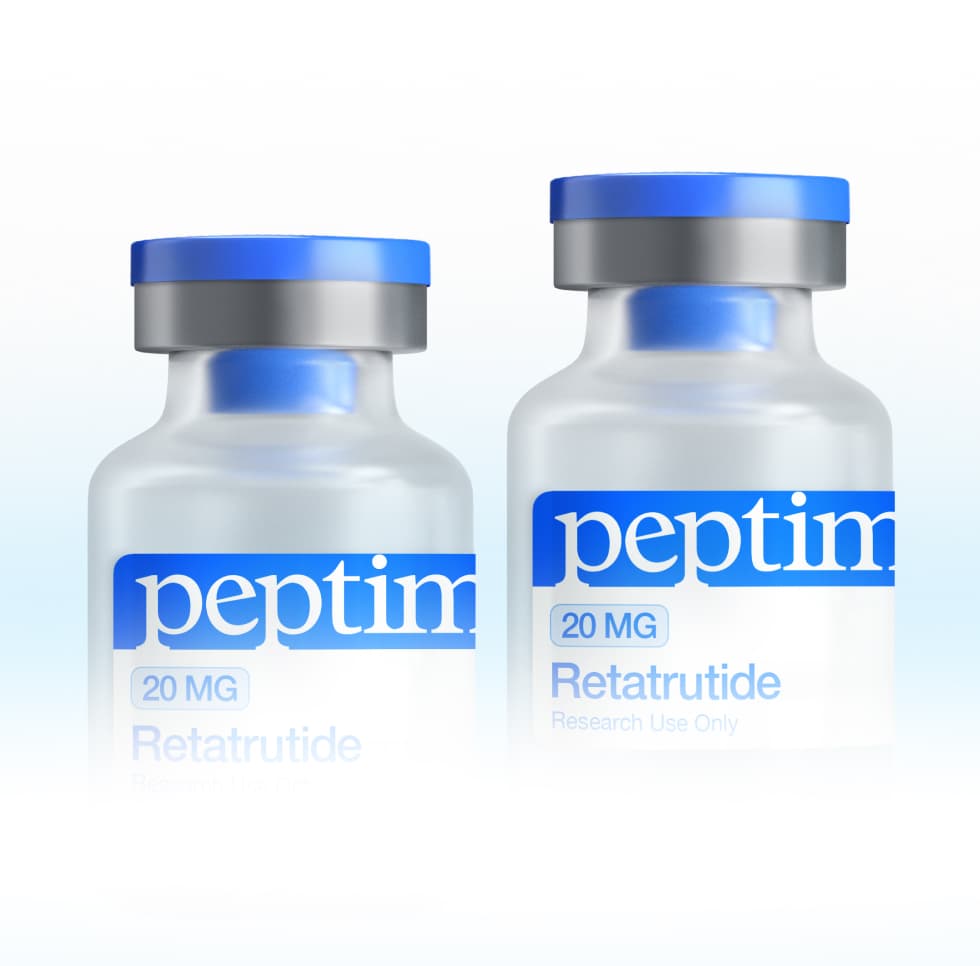
Traveling with peptides requires attention to storage protocols, legal considerations, and airport security procedures. Peptides — short chains of amino acids — are used for injury recovery, anti-aging, metabolic support, and chronic condition management. If you're new to peptides, what are peptides provides the essential background before diving into travel logistics. Most peptides require refrigeration between 2°C and 8°C before reconstitution, with dosing protocols ranging from daily to weekly injections depending on the compound.
Understanding Peptide Stability During Travel
Research demonstrates that storage conditions significantly impact peptide degradation over time, with temperatures between 4°C and -80°C combined with 0.1% trifluoroacetic acid (TFA) solutions showing the slowest degradation rates. Lyophilized peptides demonstrate considerably more stability than reconstituted solutions. Lyophilized peptides can remain stable at room temperature for approximately 1–2 weeks depending on the sequence, though optimal storage remains at -20°C or colder for long-term preservation. Once reconstituted, peptides become significantly more vulnerable and should be kept at 2–8°C (standard refrigeration) for short-term transport of up to a few weeks, with freezing at -20°C or lower recommended only for longer-term storage. Some compounds require -80°C for extended stability. For travel purposes, lyophilized peptides offer practical advantages. They can withstand brief periods at room temperature without significant degradation. Reconstituted peptides demand continuous cold chain maintenance throughout the journey.Temperature fluctuations pose particular risks. Frost-free freezers, which cycle through automatic defrosting, can cause repeated temperature variations that accelerate peptide breakdown. Aircraft cargo holds experience temperature extremes well below freezing, making checked luggage unsuitable for peptide transport.
Practical Storage Solutions for Air Travel
Maintaining proper temperatures during flights requires appropriate equipment. Medical-grade cooler bags designed for insulin and injectable medications work effectively for peptide transport. These insulated cases combined with gel ice packs can maintain temperatures within the 2°C to 8°C range for 12 to 24 hours depending on ambient conditions.
Key storage considerations include:
Insulated medical cooler bags specifically designed for injectable medications provide the most reliable temperature control with temperature indicators to monitor conditions throughout the journey.
Gel ice packs should be frozen solid before departure. TSA permits ice packs for medical purposes, though they may receive additional screening. Partially melted ice packs are generally allowed, but completely liquid packs may be subject to the standard 3.4-ounce liquid restriction unless declared as medically necessary.
Temperature monitoring through thermometer strips or digital monitors ensures peptides remain within acceptable ranges, with documentation proving valuable if questions arise about product integrity.
For longer journeys, consider carrying peptides in lyophilized form, reconstituting only what you need at your destination.TSA Guidelines and Security Screening
The Transportation Security Administration maintains specific policies regarding medical items, including injectable medications and associated supplies.
TSA explicitly permits medically necessary liquids, gels, and aerosols in quantities exceeding the standard 3.4-ounce limit when declared to security officers at the checkpoint.Syringes and needles are permitted in carry-on luggage when accompanied by injectable medication. TSA recommends, though does not require, that medications be labeled to facilitate the screening process.
Carrying a prescription or doctor's letter can expedite screening, particularly for larger quantities or unfamiliar medications.Ice packs and cooling supplies necessary to keep medications at proper temperatures are allowed through security after screening.
Practical TSA screening tips:
- Inform the TSA officer before placing items on the X-ray belt that you are carrying injectable medications
- Keep peptides, syringes, and cooling supplies together in easily accessible locations
- Have documentation readily available, including prescription labels, doctor's letters, or pharmacy documentation
TSA officers may conduct additional screening of medical items, including visual inspection and testing for explosive residue. This process is routine.
Legal Considerations by Jurisdiction
Peptide legality varies significantly depending on the specific compound, location, and how the peptide is classified. For a full breakdown of the US regulatory framework, see the peptide legality guide.
FDA-approved peptides such as semaglutide (Ozempic, Wegovy), tirzepatide (Mounjaro, Zepbound), and bremelanotide (Vyleesi) are fully legal when accompanied by a valid prescription and can be transported domestically and internationally with appropriate documentation.
Research peptides including BPC-157, TB-500, and various growth hormone secretagogues occupy a regulatory gray area in the United States. These compounds are not FDA-approved for human use but are not explicitly illegal to possess for personal use. They are typically sold as "research chemicals" with disclaimers stating they are not intended for human consumption.
Human Growth Hormone (HGH) represents a notable exception. Federal law specifically regulates HGH possession and distribution, making it illegal to possess without a valid prescription under the Anti-Drug Abuse Act of 1988.
International travel introduces additional complexity:
Australia maintains stricter controls through the Therapeutic Goods Administration, requiring prescriptions for many peptides available as research chemicals elsewhere, with significant seizure risk at customs.
The United Kingdom permits personal possession of research peptides but prohibits supply or sale without proper licensing.
Canada follows a similar framework to the United States, with prescription peptides requiring valid prescriptions and research peptides existing in a gray area.
Mexico requires prescriptions (translated to Spanish) for therapeutic compounds, and research peptides carry seizure risk at the border. Enforcement is inconsistent, but this should not be mistaken for permissive policy. Quality control concerns also exist with locally sourced products.
Documentation and Preparation
Proper documentation significantly reduces the likelihood of complications during travel.
For prescription peptides:
- Carry the original prescription or a copy from your prescribing physician
- Keep medications in original pharmacy packaging when possible
- Obtain a letter from your doctor explaining medical necessity, dosing schedule, and quantity needed for the trip
For research peptides:
- Carry information about the supplier, certificate of analysis, and intended research purpose
- Understand that research peptides may face scrutiny or seizure at international borders regardless of documentation
General documentation recommendations:
- Maintain a list of all peptides, including generic and brand names, dosages, and administration schedules
- Carry contact information for your prescribing physician or healthcare provider
- Keep copies of relevant documentation in both physical and digital formats
International Travel Considerations
Crossing international borders with peptides requires additional planning and awareness of destination country regulations.
Customs declarations should accurately reflect any medications you're carrying. Many countries require declaration of prescription medications, and failure to declare can result in seizure or legal complications.
Quantity limitations vary by country. The FDA permits foreign nationals to bring or ship a 90-day supply of drug products when entering the United States. Other countries maintain similar personal use allowances, though specific limits differ.
Research peptides and international travel present the highest risk scenario. Customs authorities in many countries may seize compounds not approved for human use, regardless of their legal status in your home country. The practical recommendation for international travelers is to carry only prescription peptides with proper documentation, avoiding research compounds when crossing borders.
Returning to the United States with peptides purchased abroad carries its own considerations. While personal importation of prescription medications is technically prohibited, FDA enforcement focuses primarily on commercial quantities and dangerous substances. Personal amounts of legitimate medications rarely face enforcement action, though seizure remains possible.
Handling Peptides at Your Destination
Hotel refrigeration typically maintains temperatures suitable for peptide storage. Request a room with a mini-refrigerator, or ask the hotel to store your medications in their kitchen refrigerator if room options are inadequate. Avoid placing peptides in hotel room freezers, which may be too cold and cause damage.
Reconstitution at your destination requires sterile technique regardless of location. Carry bacteriostatic water, alcohol swabs, and sterile syringes sufficient for your trip duration. Reconstitute only what you need for immediate use when possible, keeping remaining lyophilized powder in stable storage.
Disposal considerations for used syringes and needles require attention. Many hotels can provide sharps containers, or you can carry a small travel sharps container. Never dispose of needles in regular trash or leave them in hotel rooms.
Conclusion
Traveling with peptides successfully requires attention to three interconnected concerns: maintaining proper storage conditions, understanding and complying with TSA and customs regulations, and navigating the legal landscape of both origin and destination countries. Lyophilized peptides offer the most travel-friendly option due to their stability at room temperature, while reconstituted solutions demand continuous cold chain maintenance. TSA permits medically necessary liquids and associated supplies including syringes and ice packs, though declaration and additional screening should be expected. Legal considerations vary significantly. Prescription peptides with proper documentation face minimal complications, while research peptides carry increasing risk as you cross international borders. Thorough preparation, appropriate equipment, and comprehensive documentation provide the foundation for successful peptide transport.