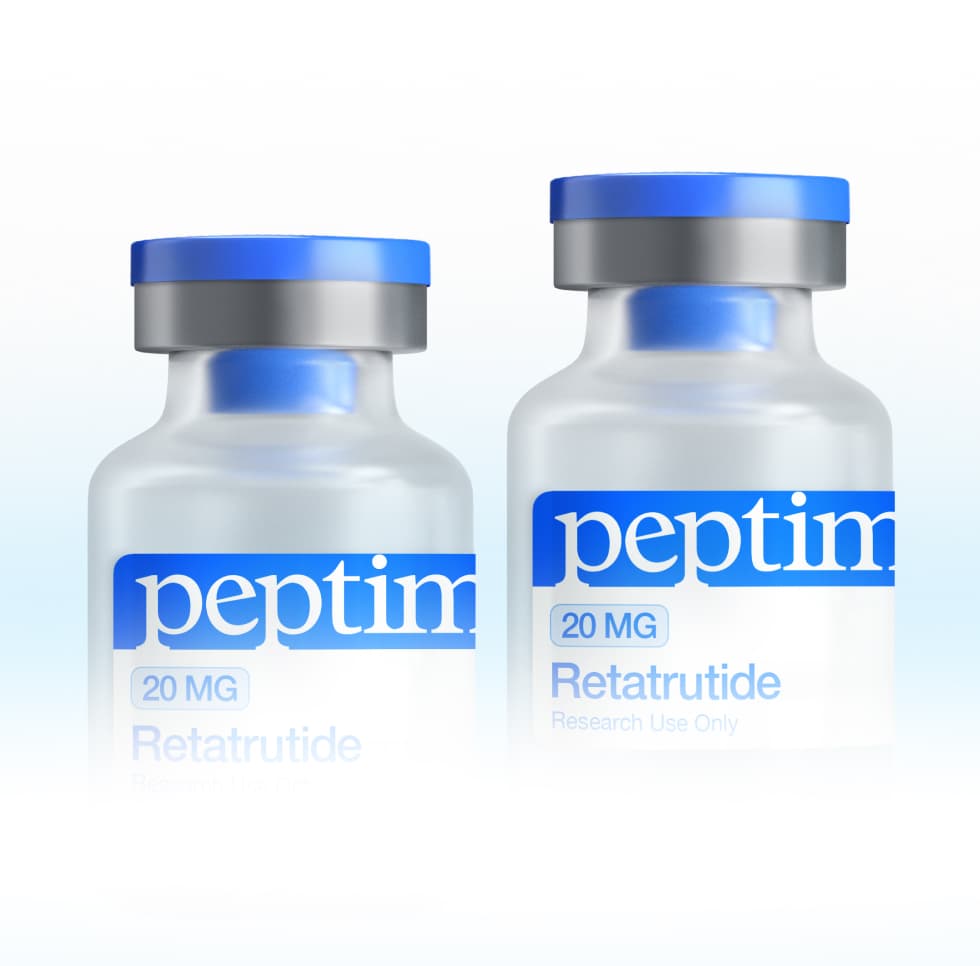
Safely sourcing research peptides requires navigating an unregulated market where quality varies dramatically between vendors. Understanding how to evaluate Certificates of Analysis, recognize warning signs, and verify third-party testing is essential for anyone purchasing peptides for research purposes.
Understanding the Peptide Marketplace
The peptide market operates in a regulatory gray area. In the US, peptides are not regulated as a single category. The FDA regulates drugs, biological products, and compounding separately. Some peptides like insulin, semaglutide, and tirzepatide are FDA-approved under strict oversight. However, many popular peptides are sold as "Research Use Only" (RUO) products, which cannot legally be marketed for human consumption. For a full breakdown of what's legal and what isn't, see the peptide legality guide.
This regulatory landscape means RUO peptides exist in a legal loophole. Many grey-market peptides originate from overseas manufacturers with varying quality standards, placing verification responsibility entirely on purchasers.Recognizing Red Flags
Several warning signs should prompt immediate caution:
Missing or vague COA documentation represents the most significant red flag. Legitimate suppliers provide detailed documentation for every batch they sell. If vendors cannot produce testing data or offer only generic statements without specifics, this indicates serious problems.
Pricing dramatically below market rates usually indicates compromised quality. Peptide synthesis is expensive, requiring specialized equipment, skilled technicians, and rigorous quality control.
Incomplete product information, such as missing amino acid sequences, purity percentages, molecular weights, or storage requirements, should raise concerns.
Poor packaging quality, misspelling, or unprofessional labeling often indicates counterfeit products.
Decoding Certificates of Analysis
The Certificate of Analysis serves as your primary quality assurance tool. A legitimate COA must answer three fundamental questions: Is this the correct peptide (identity)? Is it chemically clean (purity)? How much actual peptide is present (content)? Our dedicated guide on peptide certificates of analysis walks through how to read and verify each section.
HPLC Purity Testing
High-Performance Liquid Chromatography (HPLC) determines purity by separating the target peptide from impurities like deletion sequences and truncated fragments. High-quality peptides should demonstrate purity levels of 98% or higher. Anything below 95% may contain contaminants affecting effectiveness and safety.
Mass Spectrometry Identity Confirmation
Mass Spectrometry (MS) confirms identity by measuring molecular weight. The COA should list both theoretical mass (calculated from the amino acid sequence) and observed mass (measured by instrument). On modern LC-MS/MS instruments, these should match within low parts-per-million (ppm) accuracy, typically less than 5 ppm.
Net Peptide Content
Net peptide content represents the most misunderstood metric. A peptide can be 99% pure yet contain only 70-85% actual peptide by weight because lyophilized peptides bind residual moisture, counter-ions, and atmospheric water. This distinction matters for accurate dosing.
Third-Party Testing Verification
The gold standard involves independent, third-party laboratory testing, eliminating conflicts of interest. When evaluating a COA, look for the testing laboratory's name, contact information, and accreditation status.
Reputable labs like Janoshik provide numerical purity reports with verification IDs that can be cross-referenced. Some labs attach full chromatograms while others provide numerical reports only. Both approaches are valid if the data is traceable and verifiable.
Contamination Risks
Beyond purity concerns, peptides can harbor dangerous contaminants that standard COAs may not address.
Heavy metals can accumulate during manufacturing, particularly when equipment is poorly maintained or raw materials are inadequately screened. These pose serious health risks even at low concentrations.
Bacterial endotoxins, lipopolysaccharides from gram-negative bacteria, represent another significant concern. These pyrogens can cause fever, inflammation, and severe immune reactions. The Limulus amebocyte lysate (LAL) test detects endotoxin contamination, but this testing isn't standard for RUO peptides unless specifically requested. For a deeper look at what purity testing reveals, see our peptide purity testing guide.
Standard RUO COAs do not include sterility testing, endotoxin testing, bioburden testing, or viral safety data. These limitations apply to the entire RUO category. Any vendor implying sterility or clinical safety for RUO products is misrepresenting their offerings.
Proper Storage and Handling
Even high-quality peptides degrade rapidly under improper conditions.
Lyophilized peptides should be stored at -20°C minimum for long-term stability, with -80°C being optimal. Under these conditions, most remain stable for several years. At room temperature, lyophilized peptides typically remain stable for only 1–2 weeks depending on the sequence.
Reconstituted peptides require even more careful handling:
- Store at 4°C for short-term use (2–4 weeks for most peptides)
- Store at -20°C or colder for longer storage
- Avoid repeated freeze-thaw cycles, as each can cause molecular structure changes and degradation
- Do not expose to temperatures above 25°C for extended periods
- Store in light-protected containers, as light exposure accelerates degradation
When evaluating suppliers, consider their shipping practices. Reputable vendors use cold chain shipping with appropriate insulation and ice packs to maintain temperature during transit. Peptides arriving warm or without temperature protection may have already begun degrading.
Evaluating Supplier Reputation
Beyond documentation, a supplier's overall reputation provides valuable insight. Research the company's history, looking for consistent positive reviews across multiple platforms. Be wary of vendors with no verifiable track record or those that have recently rebranded — name changes sometimes signal attempts to escape negative reputations.
Legitimate suppliers demonstrate transparency about manufacturing processes, testing protocols, and sourcing. They readily answer technical questions and provide detailed product information without evasion.
Customer service responsiveness also indicates overall business quality. Companies responding promptly to inquiries and addressing concerns professionally are more likely to maintain high standards throughout operations.
Conclusion
Safely sourcing peptides requires diligence, education, and healthy skepticism. The unregulated nature of the research peptide market places responsibility squarely on purchasers to verify quality and authenticity.
By understanding how to read Certificates of Analysis, recognizing red flags, verifying third-party testing, and ensuring proper storage, you can significantly reduce risks. For a US-specific breakdown of the two main paths (research-use-only suppliers versus clinical telehealth), see our guide on where to get peptides in the US. If you're also new to peptide use overall, the beginner's guide to peptides is a useful companion resource. The cheapest option rarely represents the best value when health and safety are at stake. Investing time in supplier research and quality verification protects both your investment and your wellbeing.