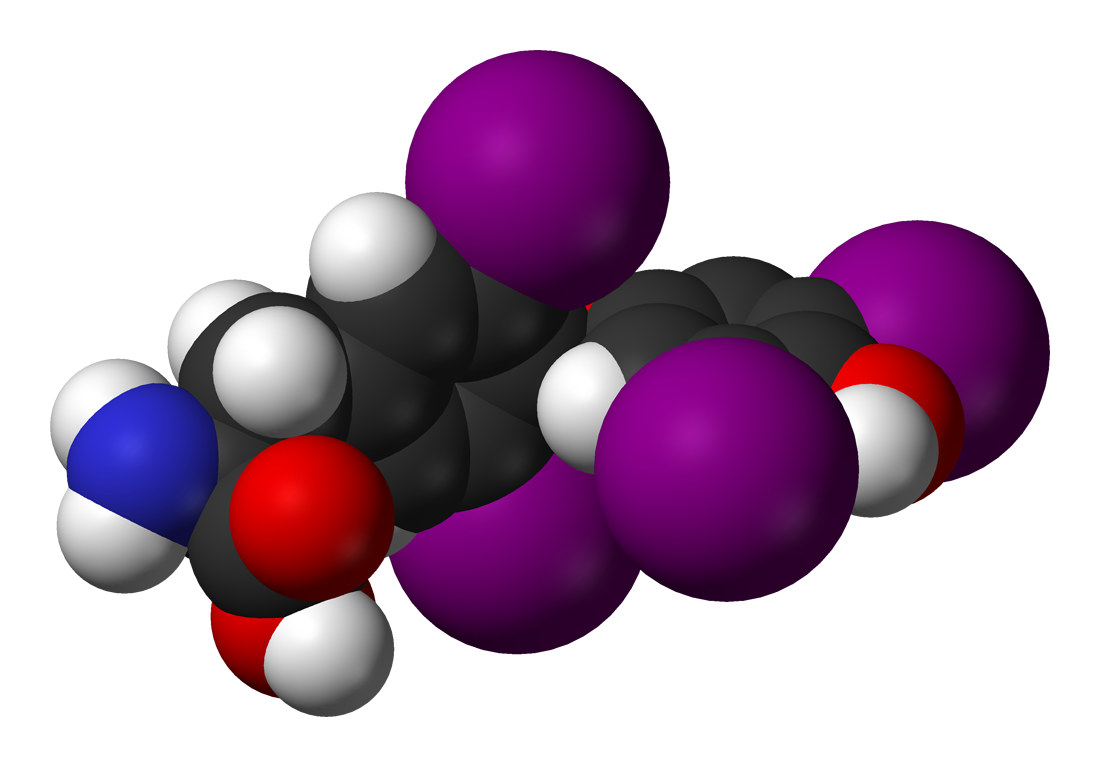
IGF-1 LR3
From Peptidepedia, the trusted peptide wiki.



- IGF-1 LR3 is a modified protein that helps build muscle and speeds up recovery after exercise.
- It works by activating growth signals in muscle cells and creating new muscle fibers, not just making existing ones bigger.
- Users typically take it for 4-6 weeks, then take a break to prevent their muscles from adapting to it.
IGF-1 LR3 (Insulin-like Growth Factor-1 Long R3) is a synthetic, modified analog of human IGF-1 that exhibits significantly enhanced potency and a prolonged half-life compared to its endogenous counterpart. Valued for its ability to promote muscle hypertrophy, accelerate recovery, enhance fat metabolism, and support cellular regeneration, IGF-1 LR3 has gained substantial popularity among bodybuilders, athletes, and biohackers seeking performance optimization. Typical dosing protocols range from 20–100 mcg per day, administered via subcutaneous or intramuscular injection, with cycles commonly lasting 4–6 weeks followed by equivalent off-periods to prevent receptor desensitization.
What Is IGF-1 LR3?
IGF-1 LR3 is a recombinant protein consisting of 83 amino acids, representing a structurally modified version of native IGF-1. The modification involves the substitution of arginine for glutamic acid at position 3 (hence "R3") and the addition of a 13-amino acid extension peptide at the N-terminus. These alterations dramatically reduce the peptide's binding affinity to IGF-binding proteins (IGFBPs), which normally sequester and inactivate circulating IGF-1.
This structural distinction renders IGF-1 LR3 approximately three times more potent than standard IGF-1, with a substantially extended biological half-life of 20–30 hours compared to the 12–15 minutes of unmodified IGF-1. The result is a peptide capable of sustained receptor activation and prolonged anabolic signaling.
IGF-1 LR3's popularity stems from its unique pharmacokinetic profile. Unlike growth hormone, which requires hepatic conversion to IGF-1, this peptide delivers direct, immediate action at target tissues. Users report pronounced effects on muscle growth, recovery acceleration, and body composition improvements that distinguish it from other peptides in the performance enhancement category.
The primary human-use benefits attributed to IGF-1 LR3 include:
- Skeletal muscle hyperplasia (new muscle cell formation)
- Enhanced muscle hypertrophy
- Accelerated post-exercise recovery
- Improved nitrogen retention
- Enhanced fat oxidation and lipolysis
- Support for connective tissue repair
How It Works
IGF-1 Receptor Activation
IGF-1 LR3 exerts its effects primarily through binding to the IGF-1 receptor (IGF-1R), a transmembrane tyrosine kinase receptor expressed abundantly in skeletal muscle, bone, and various other tissues. Upon ligand binding, IGF-1R undergoes autophosphorylation, initiating intracellular signaling cascades that regulate cellular growth, proliferation, and survival.
The reduced IGFBP binding characteristic of IGF-1 LR3 means a greater proportion of administered peptide remains bioavailable to interact with receptors, amplifying downstream signaling compared to equivalent doses of native IGF-1.
PI3K/Akt/mTOR Pathway Stimulation
The predominant anabolic mechanism of IGF-1 LR3 involves activation of the phosphatidylinositol 3-kinase (PI3K)/Akt/mammalian target of rapamycin (mTOR) signaling axis. This pathway serves as the master regulator of protein synthesis in skeletal muscle.
Activation of mTOR complex 1 (mTORC1) stimulates ribosomal biogenesis and translation initiation, directly increasing the rate of muscle protein synthesis. Simultaneously, Akt phosphorylation inhibits glycogen synthase kinase-3β (GSK-3β) and forkhead box O (FoxO) transcription factors, reducing protein degradation pathways and promoting net positive protein balance.
Satellite Cell Proliferation and Hyperplasia
Perhaps the most distinctive mechanism of IGF-1 LR3 is its capacity to stimulate muscle satellite cell activation and proliferation. Satellite cells are myogenic stem cells residing between the sarcolemma and basal lamina of muscle fibers. Upon activation, these cells proliferate and differentiate, either fusing with existing myofibers to support hypertrophy or forming entirely new muscle fibers (hyperplasia).
This hyperplastic potential distinguishes IGF-1 LR3 from most anabolic agents, which primarily induce hypertrophy of existing fibers without increasing fiber number.
Metabolic Effects
IGF-1 LR3 influences glucose and lipid metabolism through multiple mechanisms. The peptide enhances glucose uptake in skeletal muscle via GLUT4 translocation, independent of insulin signaling. Additionally, IGF-1 signaling promotes lipolysis in adipose tissue while simultaneously directing nutrient partitioning toward lean tissue accretion.

Dosage Protocols
Dosing recommendations for IGF-1 LR3 vary based on user experience, goals, and concurrent compound use. The following represents commonly reported protocols within the user community:
Beginner Protocol: 20–40 mcg daily for 4 weeks, followed by 4 weeks off. This conservative approach allows assessment of individual response and tolerance.
Intermediate Protocol: 40–80 mcg daily for 4–6 weeks, with equivalent off-time. Some users split the daily dose into two administrations (morning and post-workout).
Advanced Protocol: 80–100 mcg daily, often divided into bilateral site injections when targeting specific muscle groups. Cycles typically do not exceed 6 weeks due to receptor downregulation concerns.
Cycling is considered essential with IGF-1 LR3. Continuous administration leads to IGF-1R desensitization and diminished response. Most protocols recommend time-off equal to or greater than time-on. Some users implement a 5-days-on, 2-days-off weekly schedule to mitigate receptor downregulation while maintaining more consistent tissue exposure.
How to Use / Administration Methods
IGF-1 LR3 is administered via injection, with two primary methods employed:
Subcutaneous Injection: The peptide is injected into the fatty tissue beneath the skin, typically in the abdominal region. This method provides systemic distribution and is preferred for general anabolic effects. Absorption is gradual, producing sustained blood levels.
Intramuscular Injection: Direct injection into target muscle groups is favored by users seeking localized effects. This approach, often termed "site enhancement," involves injecting into the muscle immediately post-training when blood flow and nutrient delivery are elevated. Common injection sites include biceps, triceps, deltoids, and quadriceps.
Injection timing is typically post-workout to capitalize on the heightened sensitivity of trained muscle tissue and the synergistic effects with exercise-induced growth signaling. Some protocols recommend morning administration on non-training days.
Insulin syringes (29–31 gauge) are standard for both administration routes, with injection volumes typically ranging from 0.1–0.5 mL depending on reconstitution concentration.
Results Timelines
User-reported timelines for IGF-1 LR3 effects follow a general progression:
Week 1–2: Initial effects include enhanced muscle pumps during training, improved recovery between sessions, and increased vascularity. Some users report heightened hunger due to glucose partitioning effects.
Week 2–4: Noticeable improvements in muscle fullness and density become apparent. Recovery times continue to decrease, allowing for increased training frequency or volume. Early body composition changes may be observed.
Week 4–6: Peak effects are typically reported during this phase, with measurable increases in lean mass and reductions in body fat percentage. Strength gains often accompany the tissue changes.
Post-Cycle: Effects gradually diminish over 2–4 weeks following cessation. Gains in muscle tissue are generally well-retained when training and nutrition remain consistent, though the enhanced recovery and pumps subside relatively quickly.
Research Evidence
The scientific literature on IGF-1 LR3 derives primarily from cell culture studies, animal models, and research examining the broader IGF-1 system. Direct human clinical trials specifically evaluating IGF-1 LR3 for performance enhancement are absent due to regulatory and ethical constraints.
Foundational research established that IGF-1 LR3 demonstrates approximately 2–3 times greater potency than native IGF-1 in stimulating cellular proliferation, attributable to its reduced IGFBP binding.
Animal studies have demonstrated that IGF-1 administration produces significant increases in muscle mass and strength. Research in aged mice showed that muscle-specific IGF-1 overexpression prevented age-related muscle loss and maintained regenerative capacity.
Studies examining IGF-1's role in muscle regeneration have confirmed its essential function in satellite cell activation and the repair process following injury. This research supports the theoretical basis for IGF-1 LR3's recovery-enhancing properties.
The mTOR pathway activation by IGF-1 signaling and its role in muscle protein synthesis regulation is extensively documented in the scientific literature, providing mechanistic support for the peptide's anabolic effects.
Stacking
IGF-1 LR3 is frequently combined with other compounds to enhance overall results:
With Growth Hormone: This combination is considered synergistic, as exogenous GH elevates hepatic IGF-1 production while IGF-1 LR3 provides additional direct receptor stimulation. Users typically administer GH in the morning and IGF-1 LR3 post-workout.
With Anabolic Steroids: The combination with testosterone or other anabolic-androgenic steroids is common among bodybuilders. The distinct mechanisms (androgen receptor vs. IGF-1R activation) are considered complementary for muscle growth.
With Insulin: This advanced and higher-risk combination aims to maximize anabolic signaling and nutrient uptake. The hypoglycemic risks are significant, and this stack requires careful glucose monitoring and experienced supervision.
With Other Peptides: Combinations with GHRP-6, CJC-1295, or other growth hormone secretagogues are employed to create comprehensive growth-promoting protocols.
Reconstitution, Storage & Prep
IGF-1 LR3 is supplied as a lyophilized (freeze-dried) powder requiring reconstitution before use:
Reconstitution: Bacteriostatic water (BAC water) or sterile water is used for reconstitution. The diluent should be introduced slowly along the vial wall, allowing the powder to dissolve without agitation. Gentle swirling—never shaking—facilitates complete dissolution. A common reconstitution is 1 mL BAC water per 1 mg peptide, yielding 1000 mcg/mL concentration.
Storage: Unreconstituted peptide should be stored refrigerated (2–8°C) or frozen for extended storage. Once reconstituted, the solution must be refrigerated and used within 3–4 weeks. Some degradation occurs over time, so fresh reconstitution is preferred for optimal potency.
Handling: The peptide is fragile and sensitive to heat, light, and physical stress. Vials should be protected from direct light and temperature fluctuations. Drawing doses should be performed with clean technique to prevent contamination.
Side Effects
Reported adverse effects associated with IGF-1 LR3 use include:
Hypoglycemia: The glucose-lowering effects can produce symptoms ranging from mild (shakiness, hunger, sweating) to severe (confusion, loss of consciousness). Risk increases when combined with insulin or during fasted states.
Injection Site Reactions: Localized pain, redness, or swelling may occur, particularly with intramuscular administration.
Gut Distension: Prolonged use of IGF-1 compounds has been associated with visceral organ growth, potentially contributing to abdominal distension observed in some bodybuilders.
Joint Pain: Some users report arthralgias, possibly related to connective tissue changes or fluid shifts.
Headaches: Transient headaches are commonly reported, particularly during initial use.
Theoretical Oncological Concerns: IGF-1 signaling promotes cellular proliferation and inhibits apoptosis. Elevated IGF-1 levels have been epidemiologically associated with increased risk of certain cancers, though direct causation from exogenous peptide use remains unestablished.
Legal Status / FDA
IGF-1 LR3 is not approved by the U.S. Food and Drug Administration for any therapeutic indication. It is classified as a research chemical and is legally sold for laboratory and research purposes only, explicitly labeled "not for human consumption."
Recombinant human IGF-1 (mecasermin, brand name Increlex) is FDA-approved for treatment of severe primary IGF-1 deficiency, but this is distinct from the LR3 analog.
The legal status varies internationally. In most jurisdictions, purchase and possession for personal use occupies a gray area, while distribution for human use may constitute a regulatory violation.
Sports/WADA
IGF-1 LR3 is explicitly prohibited by the World Anti-Doping Agency (WADA) under category S2: Peptide Hormones, Growth Factors, Related Substances, and Mimetics. The prohibition applies both in-competition and out-of-competition.
Detection methods have advanced significantly, with mass spectrometry techniques capable of identifying synthetic IGF-1 analogs in biological samples. Athletes subject to anti-doping testing face suspension and disqualification upon positive findings.
Conclusion
IGF-1 LR3 represents one of the most potent peptides available for those seeking enhanced muscle growth, recovery, and body composition. Its modified structure confers significant pharmacokinetic advantages over native IGF-1, translating to greater bioavailability and prolonged action. While the scientific foundation supporting its mechanisms is robust, users should recognize that direct clinical evidence for safety and efficacy in humans remains limited. Responsible use requires understanding proper reconstitution, administration, cycling protocols, and potential adverse effects. As with all non-approved compounds, individuals assume personal responsibility for their decisions regarding use.
FAQ
What is the difference between IGF-1 and IGF-1 LR3?
IGF-1 LR3 is a modified version of native IGF-1 with an amino acid substitution and N-terminal extension that reduces binding to IGF-binding proteins. This results in approximately three times greater potency and a half-life of 20–30 hours versus 12–15 minutes for standard IGF-1.
How should IGF-1 LR3 be stored?
Lyophilized powder should be refrigerated or frozen. Once reconstituted with bacteriostatic water, the solution must be refrigerated and used within 3–4 weeks for optimal potency.
Can IGF-1 LR3 cause hypoglycemia?
Yes, IGF-1 LR3 can lower blood glucose levels. Users should monitor for symptoms of hypoglycemia and consider timing administration with meals. Risk increases significantly when combined with insulin.
How long should an IGF-1 LR3 cycle last?
Most protocols recommend 4–6 week cycles followed by equal or longer off-periods. Continuous use leads to receptor desensitization and diminished effectiveness.
Is IGF-1 LR3 detectable in drug tests?
Yes, modern anti-doping laboratories can detect synthetic IGF-1 analogs using mass spectrometry techniques. It is prohibited by WADA and most sports organizations.
What is the best time to inject IGF-1 LR3?
Post-workout administration is most common, capitalizing on increased muscle blood flow and sensitivity. On rest days, morning injection is typically recommended.
Does IGF-1 LR3 require PCT (post-cycle therapy)?
IGF-1 LR3 does not suppress the hypothalamic-pituitary-gonadal axis and therefore does not require traditional PCT. However, cycling off allows receptor resensitization.
Can IGF-1 LR3 be used for localized muscle growth?
Intramuscular injection into specific muscles is practiced for potential site-specific effects, though systemic distribution still occurs. Evidence for true localized hyperplasia remains largely anecdotal.
References
- Francis GL, et al. "Novel recombinant fusion protein analogues of insulin-like growth factor (IGF)-I indicate the relative importance of IGF-binding protein and receptor binding for enhanced biological potency." Journal of Molecular Endocrinology. 1992. https://pubmed.ncbi.nlm.nih.gov/3818200/
- Barton-Davis ER, et al. "Viral mediated expression of insulin-like growth factor I blocks the aging-related loss of skeletal muscle function." Proceedings of the National Academy of Sciences. 1998. https://www.ncbi.nlm.nih.gov/pmc/articles/PMC2439518/
- Defined Health. "IGF-1 Receptor Signaling in Health and Disease." Endocrine Reviews. 2012. https://www.ncbi.nlm.nih.gov/pmc/articles/PMC3614012/
- Schiaffino S, Mammucari C. "Regulation of skeletal muscle growth by the IGF1-Akt/PKB pathway." Cell Metabolism. 2011. https://www.ncbi.nlm.nih.gov/pmc/articles/PMC2901655/
- Charge SB, Rudnicki MA. "Cellular and molecular regulation of muscle regeneration." Physiological Reviews. 2004. https://www.ncbi.nlm.nih.gov/pmc/articles/PMC3177172/
- Clemmons DR. "Metabolic actions of insulin-like growth factor-I in normal physiology and diabetes." Endocrinology and Metabolism Clinics. 2012. https://www.ncbi.nlm.nih.gov/pmc/articles/PMC2606706/
- U.S. Food and Drug Administration. "Increlex (mecasermin) Label." 2005. https://www.accessdata.fda.gov/drugsatfda_docs/label/2005/021884lbl.pdf
- World Anti-Doping Agency. "Prohibited List." 2026. https://www.wada-ama.org/en-prohibited-list