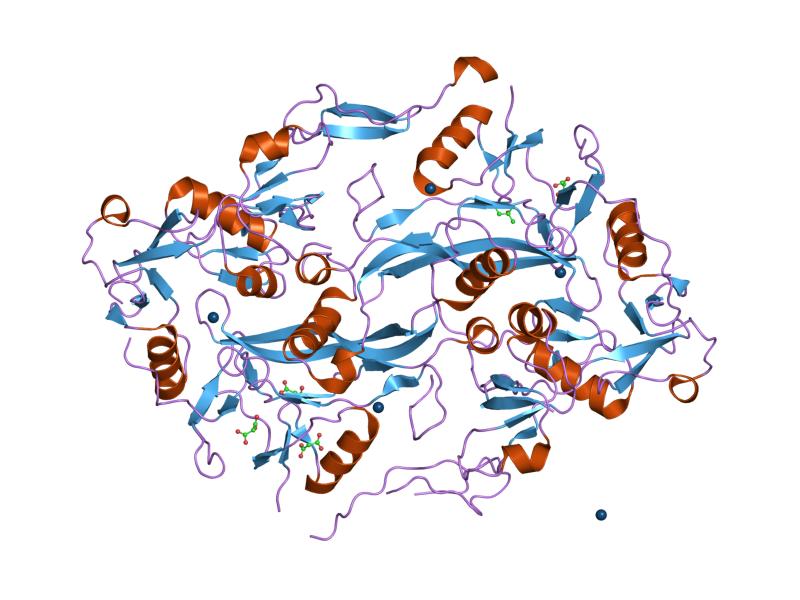
Follistatin 344
From Peptidepedia, the trusted peptide wiki.



- Follistatin 344 is a protein that blocks myostatin, the body's natural muscle growth limiter.
- It can increase muscle mass significantly in animal studies and is used by athletes and bodybuilders.
- FS-344 is not FDA-approved for humans and is banned by sports organizations like WADA.
Follistatin 344 (FS-344) is a recombinant human glycoprotein containing 344 amino acids that functions as a potent myostatin inhibitor, promoting significant increases in skeletal muscle mass and strength. This peptide has gained substantial popularity among bodybuilders, athletes, and individuals seeking muscle enhancement due to its ability to block myostatin—the body's natural "muscle growth limiter." Clinical research has demonstrated follistatin's capacity to increase muscle mass by 2-3 times in animal models, with human users typically administering 100-300 micrograms daily via intramuscular injection over cycles of 10-30 days.
What Is Follistatin 344?
Follistatin 344 is a naturally occurring glycoprotein first isolated from porcine ovarian follicular fluid in 1987. The "344" designation refers to the 344-amino acid preprotein sequence encoded by the alternatively spliced cDNA of the follistatin gene, which localizes to chromosome 5q11.2. After posttranslational modification and removal of the 29-amino acid signal peptide, the active circulating form becomes FS-315, often referred to as the "long isoform."
What makes FS-344 unique among myostatin inhibitors is its dual mechanism of action. Unlike other myostatin blockers, follistatin can increase muscle mass through pathways both dependent on and independent of myostatin inhibition. Research has demonstrated that when follistatin-overexpressing mice were crossed with myostatin-null animals, the resulting phenotype showed a quadrupling of muscle mass—far exceeding what either mechanism could achieve alone.
The primary human-use benefits attributed to FS-344 include:
- Significant increases in lean muscle mass
- Enhanced muscular strength and power output
- Potential reduction in muscle fibrosis
- Anti-inflammatory effects on muscle tissue
- Possible improvements in muscle recovery and regeneration
How It Works
Myostatin Inhibition
Myostatin (also known as GDF-8) is a member of the transforming growth factor-beta (TGF-β) superfamily that acts as a negative regulator of skeletal muscle growth. Under normal conditions, myostatin limits muscle size by downregulating key transcriptional regulators of myogenic cell proliferation including Pax-3, Myf-5, and MyoD.
Follistatin functions as a powerful antagonist by binding directly to myostatin and preventing it from accessing its signaling receptor—the activin receptor type IIB (ActRIIB)—on skeletal muscle cells. When myostatin is blocked, the intracellular cascade involving Smad2/3/4 complex formation and nuclear translocation is interrupted, allowing muscle cells to proliferate and hypertrophy without the normal growth limitations.
Activin Binding
Beyond myostatin inhibition, follistatin also binds activin, another TGF-β family member involved in muscle regulation. This activin-binding capacity was actually discovered before follistatin's myostatin-inhibiting properties were identified. The FS-315 isoform (derived from FS-344) has reduced affinity for heparin compared to the shorter FS-288 isoform, which means it circulates more freely in serum rather than binding to cell surfaces. This characteristic is believed to provide a better safety profile by limiting effects on the hypothalamic-pituitary-gonadal axis.
Anti-Fibrotic Effects
Research indicates that myostatin has a regulatory role in skeletal muscle fibrosis by inducing fibroblast proliferation and extracellular matrix protein production. By inhibiting myostatin, follistatin may simultaneously promote muscle enlargement while decreasing muscle fibrosis—a particularly valuable effect for individuals with muscle-wasting conditions where fibrosis contributes to disease progression.
Anti-Inflammatory Properties
Follistatin has demonstrated anti-inflammatory effects in multiple research models. Studies have shown that follistatin pretreatment can decrease plasma levels of inflammatory cytokines and reduce tissue inflammation. In mdx mouse models (used to study muscular dystrophy), follistatin treatment resulted in fewer focal groups of necrotic muscle fibers and reduced mononuclear cell infiltrates.

Dosage Protocols
The typical dosage range reported among users is 100-300 micrograms (mcg) per day, administered via intramuscular injection directly into target muscle groups. However, it must be emphasized that no standardized human dosing protocols have been established through clinical trials for performance enhancement purposes.
Common user-reported protocols include:
Loading Phase Approach:
- Days 1-10: 100 mcg daily
- Days 11-20: 200 mcg daily (optional escalation)
- Days 21-30: 100 mcg daily (tapering)
Standard Cycle:
- 100 mcg daily for 10-30 consecutive days
- 4-8 week break between cycles
Site-Specific Protocol:
- 50-100 mcg injected directly into lagging muscle groups
- Rotated between muscle sites throughout the cycle
Clinical gene therapy trials have used significantly different delivery methods, with AAV-mediated follistatin gene transfer at doses of 1 × 10¹³ vector genomes in research settings. These gene therapy approaches are fundamentally different from injectable peptide use.
How to Use / Administration
Follistatin 344 is administered via intramuscular (IM) injection. The peptide arrives in lyophilized (freeze-dried) powder form and must be reconstituted before use.
Injection Technique:
- After reconstitution, draw the appropriate dose into an insulin syringe (typically 29-31 gauge)
- Select the target muscle group for injection
- Clean the injection site with an alcohol swab
- Insert the needle at a 90-degree angle into the muscle belly
- Aspirate briefly to ensure you haven't hit a blood vessel
- Inject slowly and steadily
- Withdraw the needle and apply light pressure
Many users prefer injecting directly into muscles they wish to target for growth, though the circulating FS-315 isoform does provide systemic effects. Research in mice demonstrated that effects could be seen at sites remote to the injection, including upper extremity muscles when only hindlimb muscles were injected.
Subcutaneous injection is an alternative administration route, though intramuscular delivery is more commonly reported among users seeking localized effects.
Results Timelines
Based on preclinical research and anecdotal user reports, the following timeline provides general expectations:
Week 1-2:
- Initial adaptation period
- Possible mild injection site reactions
- No significant visible changes expected
Week 2-4:
- Potential increases in muscle fullness and pumps during training
- Early strength improvements may begin
- Enhanced recovery between training sessions reported by some users
Week 4-8:
- More noticeable increases in muscle mass
- Continued strength progression
- Improved muscle definition as lean mass increases
Week 8-12+:
- Peak effects typically observed
- Sustained muscle gains with proper training and nutrition
- Long-term studies in mice showed increased muscle mass and strength persisting for over 2 years following gene therapy administration
It should be noted that many users on bodybuilding forums have reported minimal or no noticeable effects from injectable follistatin, suggesting significant variability in individual response or potential issues with product quality from unregulated sources.
Research Evidence
The scientific foundation for follistatin's muscle-building properties is substantial, though primarily derived from animal studies and limited human clinical trials focused on muscular dystrophy rather than performance enhancement.
Key Preclinical Findings:
A landmark 2008 study published in the Proceedings of the National Academy of Sciences demonstrated that AAV-mediated follistatin gene transfer resulted in long-term enhancement of skeletal muscle mass and strength in both wild-type and mdx mice for over 2 years. The FS-344 transgene produced the greatest effects on muscle size and function compared to other myostatin inhibitors tested (FLRG and GASP-1).
Research at Nationwide Children's Hospital showed that mice receiving high-dose follistatin treatment (1.5 × 10¹² vg/kg) exhibited a 15-fold increase in serum follistatin levels, with significant increases in muscle size and dose-dependent improvements in grip strength.
Human Clinical Trials:
A Phase 1/2a clinical trial investigated follistatin gene therapy in patients with Becker muscular dystrophy (BMD). The study demonstrated that intramuscular injection of AAV1.CMV.huFS344 improved ambulation and muscle function with an excellent safety profile.
A clinical trial (NCT02354781) investigated AAV1.CMV.huFS344 at a total dose of 2.4E12 vg/kg in Duchenne muscular dystrophy patients, with the dose divided between multiple muscle groups.
Nonhuman Primate Studies:
Studies in cynomolgus macaques demonstrated remarkable increases in muscle size and strength following AAV1-FS-344 administration. Extensive observations revealed no organ system pathology, including organs of the pituitary-gonadal axis, supporting the safety profile of the FS-315 isoform.
Stacking
While formal research on combining follistatin with other compounds is limited, users commonly report stacking FS-344 with:
Growth Hormone Secretagogues:
- MK-677 (Ibutamoren)
- CJC-1295/Ipamorelin combinations
- Rationale: Complementary anabolic pathways
Other Peptides:
- IGF-1 LR3 (for enhanced muscle protein synthesis)
- BPC-157 (for recovery and healing)
- TB-500 (for tissue repair)
Selective Androgen Receptor Modulators (SARMs):
- Some users combine with compounds like LGD-4033 or RAD-140
- Theoretical synergy between myostatin inhibition and androgen receptor activation
Traditional Anabolic Compounds:
- Testosterone and derivatives
- The combination of micro-dystrophin gene therapy with follistatin in research showed greater force generation and protection against eccentric contraction than either alone
Stacking should be approached with extreme caution given the lack of safety data for combined use of these compounds in humans.
Reconstitution, Storage & Prep
Reconstitution Process:
- Allow the lyophilized vial to reach room temperature
- Using a sterile syringe, draw bacteriostatic water (BAC water) into the syringe
- For a 1mg vial, adding 1ml of BAC water creates a concentration of 1000mcg/ml (100mcg per 0.1ml)
- Inject the BAC water slowly down the inside wall of the vial—do not spray directly onto the powder
- Gently swirl the vial until the powder is fully dissolved—never shake vigorously as this can denature the peptide
- The solution should be clear; discard if cloudy or contains particles
Storage Guidelines:
- Lyophilized (unreconstituted): Store at -20°C or below in a cool, dry, dark place away from UV rays. Can remain stable for extended periods (months to years) when properly stored
- Reconstituted: Refrigerate at 2-8°C (36-46°F) and use within 7-10 days
- Avoid repeated freeze-thaw cycles
- Keep away from direct light
- Do not shake reconstituted peptides
Side Effects
The safety profile of injectable follistatin 344 remains relatively unknown due to the lack of well-designed clinical studies specifically examining this route of administration.
Reported and Potential Side Effects:
Injection Site Reactions:
- Redness, swelling, or irritation at injection sites
- Injection site urticaria (hives)
- Localized pain or discomfort
Hormonal Considerations:
- Potential suppression of follicle-stimulating hormone (FSH)
- Possible effects on the hypothalamic-pituitary-gonadal axis
- Theoretical impact on reproductive capabilities, though preclinical studies with FS-344/FS-315 showed no effect on reproductive capacity in mice or monkeys
Metabolic Effects:
- Slight increases in LDL cholesterol (approximately 8mg/dl) reported in about one-third of gene therapy patients
Ocular Concerns:
- Central serous chorioretinopathy (CSCR) has been associated with follistatin-344 injections in bodybuilders
General Side Effects:
- Facial flushing
- Headache
- Dizziness
Preclinical research has been encouraging regarding safety. Studies in mice and nonhuman primates encountered no adverse effects, no effect on reproductive capacity, and no immunogenicity of the follistatin transgene or its product.
Legal Status / FDA
Follistatin 344 is not approved by the U.S. Food and Drug Administration (FDA) for any human use. There are currently no approved pharmaceutical formulations of follistatin available.
The peptide exists in a regulatory gray area:
- It can be legally purchased and sold as a "research chemical" not intended for human consumption
- Clinical trials are ongoing for gene therapy applications in muscular dystrophy
- No pharmaceutical company currently markets an FDA-approved follistatin product
- Products available on the black market are unregulated and may vary significantly in purity and potency
Individuals should be aware that using non-approved substances carries inherent risks, including unknown purity, contamination, and lack of quality control.
Sports/WADA
Follistatin is explicitly prohibited by the World Anti-Doping Agency (WADA). It is listed under Class S4 ("Hormone and Metabolic Modulators") of the WADA Prohibited List, specifically under the sub-class covering "Agents preventing activin receptor IIB activation."
Key points for athletes:
- Follistatin has been prohibited since the 2019 WADA Prohibited List
- Detection methods have been developed for identifying follistatin use in both urine and blood samples
- Athletes subject to anti-doping testing should avoid all follistatin products
- The prohibition applies at all times, both in-competition and out-of-competition
- Use of follistatin can result in sanctions including competition bans
Conclusion
Follistatin 344 represents one of the most scientifically compelling myostatin inhibitors available, with robust preclinical evidence demonstrating its capacity to significantly increase muscle mass and strength. The peptide's dual mechanism—blocking myostatin while also influencing activin and other TGF-β pathways—provides theoretical advantages over single-target approaches.
However, the gap between promising laboratory research and practical human application remains substantial. While gene therapy trials in muscular dystrophy patients have shown encouraging safety profiles and functional improvements, the translation to injectable peptide use for performance enhancement lacks the same level of scientific validation.
Individuals considering follistatin 344 should carefully weigh the potential benefits against the uncertainties surrounding unregulated products, the absence of established human dosing protocols, and the limited long-term safety data for injectable administration. The peptide's prohibited status under WADA also makes it unsuitable for competitive athletes subject to drug testing.
As research continues to advance, particularly in gene therapy applications, our understanding of follistatin's therapeutic potential will undoubtedly expand. For now, it remains an experimental compound with significant promise but equally significant unknowns.
FAQ
What is the difference between Follistatin 344 and Follistatin 315?
Follistatin 344 refers to the 344-amino acid preprotein encoded by the alternatively spliced cDNA. After posttranslational modification and removal of the 29-amino acid signal peptide, it becomes the active FS-315 circulating isoform. When you inject FS-344, your body processes it into FS-315, which is the form that circulates in serum and provides the myostatin-inhibiting effects.
How quickly does Follistatin 344 work?
Based on preclinical research, follistatin begins exerting its effects relatively quickly at the cellular level. In mouse studies, significant increases in muscle mass and grip strength were observed within weeks of administration. However, visible results in humans likely require several weeks of consistent use combined with appropriate training and nutrition. Long-term studies showed effects persisting for over 2 years in animal models.
Is Follistatin 344 safe?
The safety profile of injectable follistatin 344 remains relatively unknown due to limited human clinical data. Preclinical studies in mice and nonhuman primates showed no adverse effects on organ systems or reproductive capacity when using the FS-344/FS-315 isoform. However, products from unregulated sources may pose additional risks related to purity and contamination.
Can Follistatin 344 affect fertility?
While follistatin was originally identified for its ability to suppress follicle-stimulating hormone (FSH), research specifically using the FS-344 transgene (which produces the FS-315 isoform) showed no effect on reproductive capacity in either male or female mice or monkeys. The FS-315 isoform has reduced affinity for cell-surface binding sites, which appears to protect the pituitary-gonadal axis from unwanted alterations.
Where should I inject Follistatin 344?
Follistatin 344 is typically administered via intramuscular injection. Many users inject directly into muscles they wish to target for growth, though research has shown that the circulating FS-315 isoform provides systemic effects—meaning muscles remote from the injection site can also benefit. Common injection sites include the quadriceps, deltoids, and gluteal muscles.
Is Follistatin 344 legal to buy?
Follistatin 344 can be legally purchased in many jurisdictions as a "research chemical" not intended for human consumption. However, it is not FDA-approved for any human use, and no pharmaceutical formulations are currently available. Products are primarily sold through research chemical suppliers and the black market, with significant variability in quality and purity.
Can athletes use Follistatin 344?
Athletes subject to WADA anti-doping regulations cannot use follistatin. It has been explicitly prohibited since 2019 under Class S4 of the WADA Prohibited List. Detection methods exist for identifying follistatin use in both urine and blood samples, and positive tests can result in competition bans and other sanctions.
How should I store Follistatin 344?
Lyophilized (unreconstituted) follistatin should be stored at -20°C or below in a cool, dry, dark place. Once reconstituted with bacteriostatic water, it should be refrigerated at 2-8°C and used within 7-10 days. Avoid repeated freeze-thaw cycles, exposure to direct light, and never shake the reconstituted solution.
References:
- Rodino-Klapac LR, et al. "Inhibition of Myostatin with Emphasis on Follistatin as a Therapy for Muscle Disease." Muscle Nerve. 2009;39(3):283-296. https://pmc.ncbi.nlm.nih.gov/articles/PMC2717722/
- Haidet AM, et al. "Long-term enhancement of skeletal muscle mass and strength by single gene administration of myostatin inhibitors." Proc Natl Acad Sci USA. 2008;105(11):4318-4322. https://www.pnas.org/doi/10.1073/pnas.0709144105
- Mendell JR, et al. "Follistatin Gene Delivery Enhances Muscle Growth and Strength in Nonhuman Primates." Sci Transl Med. 2015. https://pmc.ncbi.nlm.nih.gov/articles/PMC2852878/
- Mendell JR, et al. "A Phase 1/2a Follistatin Gene Therapy Trial for Becker Muscular Dystrophy." Mol Ther. 2015. https://www.sciencedirect.com/science/article/pii/S1525001616300259
- Mendell JR, et al. "Follistatin Gene Therapy Improves Ambulation in Becker Muscular Dystrophy." J Neuromuscul Dis. 2016. https://journals.sagepub.com/doi/10.3233/JND-150083
- Reichel C. "Detection of black market follistatin 344." Drug Test Anal. 2020. https://pubmed.ncbi.nlm.nih.gov/31758732/
- WADA. "Detection of Follistatin-doping in urine and blood." https://www.wada-ama.org/en/resources/scientific-research/detection-follistatin-doping-urine-and-blood
- WADA. "Administration study of black market Follistatins (FS-344, FS-315)." https://www.wada-ama.org/en/resources/scientific-research/administration-study-black-market-follistatins-fs-344-fs-315
- ClinicalTrials.gov. "Clinical Intramuscular Gene Transfer of AAV1.CMV.huFS344." NCT02354781. https://clinicaltrials.gov/study/NCT02354781
- Pearsall RS, et al. "Evaluation of follistatin as a therapeutic in models of skeletal muscle atrophy." Sci Rep. 2015. https://www.nature.com/articles/srep17535
- SelfHacked. "4 Benefits of Follistatin + Side Effects." https://selfhacked.com/blog/follistatin/
- MediSearch. "Understanding Follistatin Supplements: Benefits and Risks." https://medisearch.io/blog/understanding-follistatin-supplements-benefits-and-risks