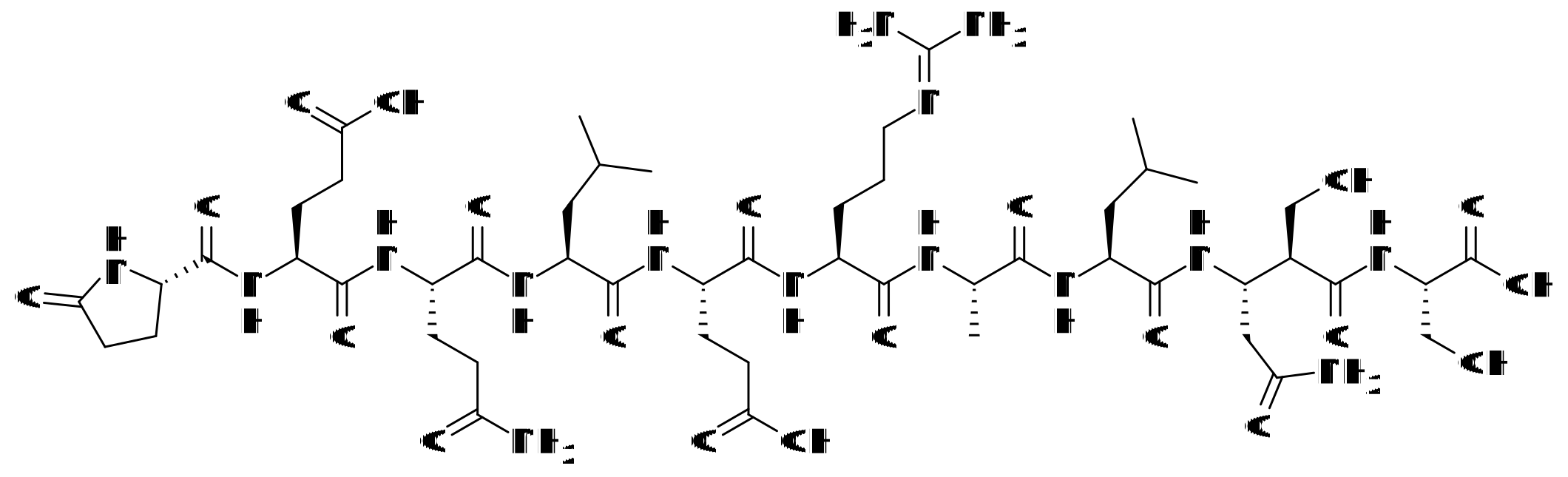
ARA-290
From Peptidepedia, the trusted peptide wiki.



- ARA-290 is a synthetic peptide that reduces nerve pain and inflammation without thickening blood.
- It works by activating repair receptors on damaged cells to promote healing and reduce swelling.
- Clinical trials show improvements in 4-12 weeks for nerve damage and diabetes complications.
ARA-290 is a synthetic 11-amino acid peptide derived from erythropoietin (EPO) that selectively activates the innate repair receptor (IRR) without stimulating red blood cell production. It has demonstrated significant potential for treating neuropathic pain, diabetic complications, and inflammatory conditions in clinical trials. ARA-290 is popular among researchers studying tissue-protective therapies and individuals seeking alternatives for chronic pain management and metabolic disorders. Typical dosing in clinical studies ranges from 1-4 mg administered subcutaneously, with treatment periods spanning 4-12 weeks depending on the condition being addressed.
What Is ARA-290?
ARA-290, also known as cibinetide, is a non-hematopoietic peptide engineered to replicate the tissue-protective properties of erythropoietin without its blood-thickening effects. Developed by Araim Pharmaceuticals, this peptide represents a novel approach to treating conditions involving nerve damage, chronic inflammation, and metabolic dysfunction.
The compound's uniqueness lies in its selective receptor targeting. While traditional EPO activates the classical erythropoietin receptor (EPOR) responsible for red blood cell production, ARA-290 specifically engages the innate repair receptor—a heteromeric complex composed of EPOR and the beta common receptor (βcR). This selectivity eliminates the cardiovascular risks associated with elevated hematocrit levels while preserving the regenerative and anti-inflammatory benefits.
Primary human-use benefits documented in clinical research include:
- Reduction of neuropathic pain symptoms
- Improvement in small nerve fiber density and function
- Decreased systemic inflammation markers
- Enhanced corneal nerve regeneration
- Potential benefits for sarcoidosis-related complications
- Improved metabolic parameters in diabetic patients
How It Works
Innate Repair Receptor Activation
ARA-290 functions by binding to the innate repair receptor (IRR), which is expressed on various cell types including neurons, endothelial cells, and immune cells. Upon activation, the IRR initiates intracellular signaling cascades that promote cell survival and reduce apoptosis. This mechanism is particularly relevant in tissues experiencing metabolic stress or inflammatory damage.
The IRR is upregulated in damaged or stressed tissues, meaning ARA-290's effects are concentrated where they are most needed. This targeted action contributes to the peptide's favorable safety profile, as healthy tissues with low IRR expression remain largely unaffected.
Anti-Inflammatory Pathways
ARA-290 modulates inflammatory responses through multiple mechanisms. It suppresses the production of pro-inflammatory cytokines including tumor necrosis factor-alpha (TNF-α), interleukin-6 (IL-6), and interleukin-1 beta (IL-1β). Simultaneously, it promotes the release of anti-inflammatory mediators, shifting the immune response toward resolution rather than chronic inflammation.
Research has demonstrated that ARA-290 influences macrophage polarization, encouraging the transition from pro-inflammatory M1 phenotypes to regenerative M2 phenotypes. This shift is crucial for tissue repair processes and explains the peptide's efficacy in conditions characterized by persistent inflammation.
Neuroprotective Mechanisms
The neuroprotective effects of ARA-290 involve preservation of mitochondrial function, reduction of oxidative stress, and prevention of neuronal apoptosis. In models of diabetic neuropathy, ARA-290 has shown the ability to protect small nerve fibers from metabolic damage and potentially stimulate nerve regeneration.
Studies using corneal confocal microscopy have documented increases in corneal nerve fiber density following ARA-290 treatment, providing objective evidence of nerve regeneration in human subjects. This finding is particularly significant as corneal nerve assessment serves as a surrogate marker for systemic small fiber neuropathy.
Metabolic Effects
Beyond its direct tissue-protective actions, ARA-290 appears to influence metabolic parameters. Clinical trials have reported improvements in hemoglobin A1c levels and other glycemic markers in diabetic patients, suggesting potential benefits for metabolic regulation independent of its anti-inflammatory effects.

Dosage Protocols
Clinical trials have employed various dosing regimens depending on the condition under investigation:
Neuropathic Pain and Diabetic Neuropathy: Studies have utilized doses of 1-4 mg administered subcutaneously three times weekly for periods of 4-12 weeks. The 4 mg dose has been most commonly studied in Phase 2 trials.
Sarcoidosis: Research protocols have employed 1-2 mg doses administered three times weekly, with treatment durations extending to 28 days in initial studies and longer in follow-up investigations.
Maintenance Considerations: Some researchers suggest that periodic treatment cycles may be beneficial for sustained effects, though optimal long-term protocols have not been definitively established through clinical trials.
Cycling guidelines remain theoretical, as most clinical data comes from defined treatment periods rather than long-term continuous use. Researchers investigating extended applications have generally employed intermittent dosing schedules with treatment-free intervals.
How to Use
ARA-290 is administered via subcutaneous injection, typically in the abdominal area, thigh, or upper arm. The peptide is supplied as a lyophilized powder requiring reconstitution before use.
Administration Steps:
Reconstitute the peptide with bacteriostatic water according to the desired concentration. Using an insulin syringe, draw the appropriate volume corresponding to the target dose. Clean the injection site with an alcohol swab and allow to dry. Pinch the skin and insert the needle at a 45-90 degree angle. Inject slowly and withdraw the needle. Apply gentle pressure if needed.
Injections are typically administered in the morning, though specific timing requirements have not been established as critical to efficacy. Rotation of injection sites is recommended to prevent lipodystrophy with repeated use.
Results Timelines
Clinical trial data provides insight into expected timelines for various outcomes:
Weeks 1-2: Initial anti-inflammatory effects may begin, with some subjects reporting early improvements in pain symptoms. Biomarker changes in inflammatory cytokines can be detected during this period.
Weeks 4-8: More substantial improvements in neuropathic pain scores have been documented in clinical trials. Corneal confocal microscopy studies have detected measurable increases in nerve fiber density within this timeframe.
Weeks 8-12: Maximum benefits in clinical trials were typically observed toward the end of treatment periods. Improvements in metabolic parameters and sustained pain relief were documented at these timepoints.
Post-Treatment: Some studies have noted persistence of benefits for weeks following treatment cessation, suggesting potential disease-modifying effects rather than purely symptomatic relief.
Research Evidence
ARA-290 has been evaluated in multiple clinical trials across various conditions:
A Phase 2 trial in patients with sarcoidosis-associated small fiber neuropathy demonstrated significant improvements in pain scores and quality of life measures compared to placebo. Corneal nerve fiber density increased in treated subjects, providing objective evidence of nerve regeneration.
Research in type 2 diabetes patients with neuropathy showed improvements in neuropathic symptoms and metabolic parameters. The EPOBAX study documented reductions in HbA1c alongside improvements in small fiber function.
Preclinical studies have demonstrated efficacy in models of myocardial infarction, stroke, kidney injury, and various inflammatory conditions. These findings support the broad tissue-protective potential of IRR activation.
A study examining ARA-290 in chronic kidney disease patients showed improvements in inflammatory markers and potential renoprotective effects, expanding the range of conditions that might benefit from this therapeutic approach.
Stacking
Limited clinical data exists regarding combination use of ARA-290 with other peptides or compounds. However, theoretical considerations suggest potential synergies:
With BPC-157: Both peptides possess tissue-protective and regenerative properties through different mechanisms, potentially offering complementary benefits for healing and recovery.
With Anti-Inflammatory Compounds: ARA-290's mechanism may complement other anti-inflammatory approaches, though interactions have not been formally studied.
Caution with Hematopoietic Agents: Combining ARA-290 with traditional EPO or other erythropoiesis-stimulating agents is not recommended due to potential receptor competition and unclear safety profiles.
Any combination use should be approached with caution given the absence of formal interaction studies.
Reconstitution, Storage & Prep
Reconstitution:
ARA-290 lyophilized powder should be reconstituted with bacteriostatic water for injection. A common approach involves adding 1-2 mL of bacteriostatic water to achieve a practical concentration for accurate dosing. Direct the water stream against the vial wall rather than directly onto the powder. Gently swirl until fully dissolved—do not shake vigorously as this may damage the peptide structure.
Storage:
Unreconstituted peptide should be stored at -20°C for long-term stability or 2-8°C (refrigerated) for shorter periods. Once reconstituted, the solution should be refrigerated at 2-8°C and used within 3-4 weeks. Avoid repeated freeze-thaw cycles. Protect from light exposure during storage.
Preparation Tips:
Allow refrigerated reconstituted peptide to reach room temperature before injection to minimize discomfort. Inspect the solution before each use—it should be clear and colorless. Discard if particulates or discoloration are observed.
Side Effects
Clinical trials have documented a favorable safety profile for ARA-290. Reported adverse events include:
Common (occurring in >5% of subjects):
- Injection site reactions (redness, mild pain, swelling)
- Headache
- Fatigue
Uncommon:
- Nausea
- Dizziness
- Upper respiratory symptoms
Serious Adverse Events: No serious adverse events directly attributable to ARA-290 were reported in published clinical trials. The peptide does not increase red blood cell production, eliminating the thrombotic risks associated with traditional EPO therapy.
Long-term safety data beyond 12-week treatment periods remains limited. Individuals with autoimmune conditions or those taking immunomodulatory medications should exercise particular caution.
Legal Status
FDA Status: ARA-290 (cibinetide) has not received FDA approval for any indication. It has been granted Orphan Drug designation for sarcoidosis, indicating regulatory recognition of its potential but not approval for clinical use. The peptide remains investigational in the United States.
International Status: ARA-290 is not approved for human use in the European Union, United Kingdom, or other major regulatory jurisdictions. It is available for research purposes in various countries.
Research Chemical Classification: In most jurisdictions, ARA-290 is sold as a research chemical not intended for human consumption. Purchase and possession for research purposes is generally legal, though regulations vary by location.
Sports and WADA Status
ARA-290 is not currently listed on the World Anti-Drug Agency (WADA) Prohibited List as a named substance. However, athletes should exercise caution for several reasons:
The peptide's relationship to erythropoietin, a prohibited substance, could potentially raise concerns under WADA's prohibition of substances with similar chemical structures or biological effects to those on the prohibited list.
WADA's prohibition of peptide hormones and their releasing factors (Section S2) creates ambiguity regarding novel peptides not specifically named.
Athletes subject to anti-doping regulations should consult with relevant authorities before using any investigational compound. The absence of specific prohibition does not guarantee compliance with anti-doping rules.
Conclusion
ARA-290 represents a significant advancement in peptide therapeutics, offering the tissue-protective benefits of erythropoietin without hematopoietic effects. Clinical evidence supports its potential for treating neuropathic pain, diabetic complications, and inflammatory conditions through selective activation of the innate repair receptor.
While the safety profile appears favorable based on available clinical trial data, ARA-290 remains an investigational compound without regulatory approval. Individuals considering its use should carefully weigh the existing evidence, understand the limitations of current research, and acknowledge the inherent uncertainties of using non-approved substances.
The ongoing development of ARA-290 and related IRR-targeting compounds may eventually provide new therapeutic options for conditions with limited current treatments. Until regulatory approval is achieved, this peptide remains in the realm of experimental medicine.
FAQ
What conditions has ARA-290 been studied for?
Clinical trials have investigated ARA-290 for sarcoidosis-associated small fiber neuropathy, diabetic neuropathy, type 2 diabetes metabolic dysfunction, and chronic pain conditions. Preclinical research has explored applications in cardiac, renal, and neurological injury models.
How does ARA-290 differ from EPO?
ARA-290 selectively activates the innate repair receptor without stimulating red blood cell production. This eliminates the cardiovascular risks of elevated hematocrit while preserving tissue-protective effects. EPO activates both the classical receptor and IRR, causing blood thickening alongside its protective actions.
How long does it take to see results from ARA-290?
Clinical trials documented improvements in pain scores within 4-8 weeks, with nerve regeneration evidence appearing by 8-12 weeks. Individual responses may vary based on the condition being addressed and other factors.
Is ARA-290 safe for long-term use?
Clinical trial data is limited to treatment periods of 4-12 weeks. Long-term safety has not been established through controlled studies. The absence of hematopoietic effects suggests a favorable safety profile, but extended use remains inadequately characterized.
Can ARA-290 be used with other medications?
No formal drug interaction studies have been published. Theoretical concerns exist regarding combination with immunomodulatory drugs or other peptides affecting similar pathways. Consultation with a healthcare provider is advisable.
What is the best injection site for ARA-290?
Subcutaneous injection in the abdominal area, thigh, or upper arm are all appropriate. Rotation of sites is recommended for repeated administration to prevent local tissue changes.
Does ARA-290 require a prescription?
ARA-290 is not approved for human use and therefore is not available by prescription. It is sold as a research chemical in most jurisdictions. Legal status varies by country.
How should ARA-290 be stored after reconstitution?
Reconstituted ARA-290 should be refrigerated at 2-8°C and used within 3-4 weeks. Protect from light and avoid freezing the reconstituted solution.
References
- Brines M, et al. "ARA 290, a nonerythropoietic peptide engineered from erythropoietin, improves metabolic control and neuropathic symptoms in patients with type 2 diabetes." Molecular Medicine. 2014. https://pubmed.ncbi.nlm.nih.gov/24886708/
- Cerit L, et al. "Innate repair receptor activation and its role in tissue protection." Journal of Molecular Medicine. 2015. https://www.ncbi.nlm.nih.gov/pmc/articles/PMC4461862/
- Dahan A, et al. "ARA 290 improves symptoms in patients with sarcoidosis-associated small nerve fiber loss." Molecular Medicine. 2013. https://pubmed.ncbi.nlm.nih.gov/23844046/
- Culver DA, et al. "Cibinetide improves corneal nerve fiber abundance in patients with sarcoidosis-associated small nerve fiber loss." Investigative Ophthalmology & Visual Science. 2017. https://pubmed.ncbi.nlm.nih.gov/29760442/
- Brines M, Bhatt N. "Erythropoietin-mediated tissue protection." Molecular Medicine. 2014. https://pubmed.ncbi.nlm.nih.gov/25063077/
- Dahan A, et al. "Targeting the innate repair receptor to treat neuropathy." Pain Reports. 2019. https://www.ncbi.nlm.nih.gov/pmc/articles/PMC6587895/
- ClinicalTrials.gov. "Study of ARA 290 in Patients With Diabetic Neuropathy." https://clinicaltrials.gov/ct2/show/NCT02039687
- U.S. Food and Drug Administration. "Orphan Drug Designations and Approvals." https://www.fda.gov/drugs/science-and-research-drugs/orphan-drug-designations-and-approvals