Thymogen
From Peptidepedia, the trusted peptide wiki.



- Thymogen is a tiny synthetic peptide made from two amino acids that helps strengthen the immune system and may slow aging.
- The peptide works by activating T-cells, protecting cells from damage, and helping the body fight infections and diseases.
- Research shows Thymogen may increase lifespan, reduce tumors, and improve recovery from illness when used regularly over months.
Thymogen (L-Glu-L-Trp) is a synthetic dipeptide immunomodulator derived from thymic tissue, composed of the amino acids L-glutamic acid and L-tryptophan. This short peptide has demonstrated significant potential for immune system regulation, anti-aging effects, and cellular protection in both experimental and clinical studies. Thymogen is particularly popular among biohackers, longevity enthusiasts, and individuals seeking immune support during periods of stress, illness recovery, or age-related immune decline. Typical dosing protocols range from 100 mcg to 1 mg administered via subcutaneous injection or intranasal spray, with treatment courses typically lasting 5-10 days and repeated monthly or as needed for immune maintenance.
What Is Thymogen?
Thymogen is a synthetic dipeptide consisting of L-glutamic acid bonded to L-tryptophan (L-Glu-L-Trp). It was originally isolated from the natural calf thymus peptide complex known as Thymalin using reversed-phase high-performance liquid chromatography (RP-HPLC) by Russian researchers in the 1980s. Following its identification, the dipeptide was synthesized and developed into a pharmaceutical product that has been used clinically in Russia and several other countries for decades.
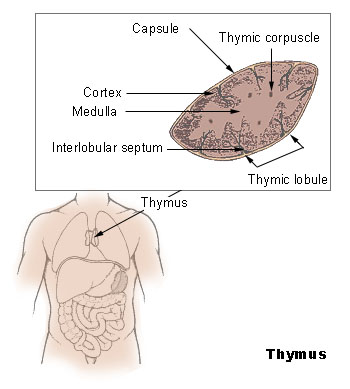
The thymus gland plays a critical role in immune system development and function, particularly in T-cell maturation. As the thymus naturally involutes with age, the production of thymic peptides declines, contributing to age-related immune dysfunction. Thymogen represents a bioidentical fragment of the larger thymic polypeptide complex, offering targeted immunomodulatory effects in a simplified molecular form.
What makes Thymogen unique among thymic peptides is its remarkably small size—just two amino acids—yet it retains significant biological activity. This simplicity allows for excellent bioavailability, minimal immunogenicity, and a favorable safety profile. Research has demonstrated that Thymogen activates T-cell differentiation, enhances T-cell recognition of peptide-MHC complexes, modulates intracellular cyclic nucleotide composition, and stimulates neutrophil chemotaxis and phagocytosis.
The primary human-use benefits of Thymogen include:
- Immune system modulation and restoration
- Enhanced T-cell and B-cell function
- Anti-aging and geroprotective effects
- Normalization of blood coagulation and fibrinolysis
- Potential anti-tumor activity
- Support during viral and bacterial infections
- Accelerated recovery from immunosuppressive treatments
How It Works
T-Cell Differentiation and Immune Activation
Thymogen's primary mechanism involves the activation and differentiation of T-lymphocytes. The peptide induces expression of CD4 and CD5 molecules on thymus cells, stimulating their differentiation toward T-helper cells. This process is essential for coordinating adaptive immune responses against pathogens and abnormal cells.
The dipeptide also enhances T-cell recognition of peptide-MHC (major histocompatibility complex) complexes, improving the immune system's ability to identify and respond to foreign antigens. Additionally, Thymogen activates neutrophil chemotaxis and phagocytosis, strengthening innate immune defenses.
Gene Expression and Epigenetic Regulation
Research has revealed that Thymogen and related short peptides can bind to specific DNA sequences and histone proteins, thereby regulating gene expression at the epigenetic level. The EW dipeptide has been shown to interact preferentially with histone H1/3 at sites that interact with DNA, potentially influencing chromatin structure and transcriptional activity.
This epigenetic mechanism allows Thymogen to regulate the synthesis of heat-shock proteins (HSPs), cytokines (including IL-3, IL-4, IL-5, IL-6, IL-10, IL-17A, and TNFα), and proteins involved in the fibrinolysis system. The peptide's ability to modulate gene expression explains its broad spectrum of biological effects beyond simple immune stimulation.
Anti-Apoptotic and Cellular Protection
Thymogen demonstrates significant anti-apoptotic effects, reducing both receptor-mediated (caspase-8, caspase-9, p16, p21, p53) and mitochondrial (AIF, prohibitin) apoptosis pathways in blood lymphocytes during replicative aging. This protective effect helps maintain immune cell populations and function during aging and stress.
The peptide also stimulates proliferation while reducing apoptosis in spleen tissue explants, with studies showing a 20-50% increase in growth zone index and 29-42% reduction in cell apoptosis compared to controls.
Hemostasis and Coagulation Normalization
Clinical and experimental studies have demonstrated that Thymogen normalizes blood coagulation and fibrinolytic activity. In patients with pneumonia and viral infections, Thymogen administration was accompanied by normalization of plasma protein coagulation and fibrinolytic activity. This property is particularly relevant for conditions involving coagulopathy or thrombotic complications.

Dosage Protocols
Thymogen dosing varies based on the administration route and intended purpose. The following protocols are derived from clinical research and established medical use in countries where Thymogen is approved:
Subcutaneous Injection:
- Standard dose: 100-500 mcg per injection
- Research dose (animal studies): 5 mcg per rat, equivalent to approximately 1-2 mcg/kg in humans
- Frequency: Once daily for 5-10 consecutive days
- Cycling: Treatment courses may be repeated monthly or every 2-3 months as needed
Intranasal Administration:
- Thymogen is available as a nasal spray in some markets
- Typical dose: 25-100 mcg per nostril, 1-2 times daily
- Duration: 5-10 days per treatment course
Long-term Protocols:
In the landmark longevity study, rats received 5 mcg of L-Glu-L-Trp five times per week for 12 months, demonstrating significant anti-aging and anti-tumor effects.
Preoperative Use:
A double-blind, randomized, placebo-controlled study demonstrated that preoperative Thymogen administration in elderly patients undergoing abdominal tumor removal restored immune parameters and significantly decreased postoperative complications.
How to Use / Administration
Subcutaneous Injection:
- Reconstitute lyophilized Thymogen with bacteriostatic water
- Draw the appropriate dose into an insulin syringe
- Clean the injection site (abdomen, thigh, or upper arm) with alcohol
- Pinch the skin and insert the needle at a 45-degree angle
- Inject slowly and withdraw the needle
- Rotate injection sites to prevent tissue irritation
Intranasal Spray:
- Clear nasal passages before administration
- Prime the spray if using for the first time
- Insert the nozzle into one nostril while closing the other
- Spray while inhaling gently
- Repeat for the other nostril if indicated
Timing Considerations:
- Morning administration is generally preferred for immune-modulating peptides
- Thymogen may be taken with or without food
- Consistency in timing helps maintain stable peptide levels
Results Timeline
Week 1-2:
- Initial immune system activation
- Potential improvement in energy levels and general well-being
- Enhanced recovery from minor infections
Week 2-4:
- Measurable improvements in immune parameters (T-cell counts, cytokine balance)
- Reduced frequency or severity of infections
- Improved wound healing
Month 1-3:
- Sustained immune optimization
- Potential improvements in inflammatory markers
- Enhanced stress resilience
Long-term (6-12 months):
- In animal studies, 12 months of treatment resulted in a 10% increase in maximum lifespan and 1.5-fold decrease in tumor incidence
- Geroprotective effects become more apparent with continued use
Research Evidence
The scientific literature on Thymogen spans several decades, with research conducted primarily in Russia and subsequently validated by international collaborations.
Anti-Aging and Longevity Studies:
A pivotal study published in Biogerontology examined the effects of L-Glu-L-Trp on survival and spontaneous tumor development in female rats. Animals receiving the dipeptide for 12 months showed that the maximum lifespan of the 10% longest-surviving treated rats was 1048 ± 21.1 days compared to 949 ± 16.1 days in controls (P
Anti-Tumor Effects:
The same study demonstrated that total tumor incidence was 1.5 times lower (P < 0.01), malignant tumor incidence 1.7 times lower (P < 0.01), and hematopoietic malignancies (leukemias and lymphomas) 3.4 times lower (P < 0.02) in treated animals compared to controls.
Immunomodulatory Research:
Studies on human monocytic THP-1 cells demonstrated that Thymogen modulates key proliferative patterns, increases tyrosine phosphorylation of mitogen-activated cytoplasmic kinases, and inhibits TNF and IL-6 expression stimulated by bacterial lipopolysaccharide.
Dermatological Applications:
Recent research published in 2022 showed that topical application of L-Glu-L-Trp improved symptoms in both allergic contact dermatitis and atopic dermatitis mouse models by suppressing IL-22 levels and attenuating skin thickening.
COVID-19 Potential:
A 2020 review in Molecules suggested that Thymogen and related thymic peptides could potentially be effective in complex therapy for coronavirus infection due to their immunomodulatory, bronchoprotective, and hemostasis-normalizing properties.
Stacking
Thymogen may be combined with other peptides and compounds for synergistic effects:
With Thymalin:
Thymogen is a component of the larger Thymalin polypeptide complex. Using both may provide complementary effects, with Thymalin offering broader immune rehabilitation and Thymogen providing more targeted immune balancing.
With Other Thymic Peptides:
- Thymosin Alpha-1 (TA1): For enhanced immune activation, particularly in immunocompromised states
- KE dipeptide (Vilon): For additional T-cell stimulation and cellular immunity support
- EDP tripeptide (Crystagen): For comprehensive immune system support
With Pineal Peptides:
- Epithalon (AEDG): Research shows synergistic geroprotective effects when thymic and pineal peptides are combined, with mortality rates decreasing 4.1 times compared to controls when used together over 6 years
With Antioxidants:
- Glutathione, vitamin C, and other antioxidants may complement Thymogen's cellular protective effects
Reconstitution, Storage & Prep
Reconstitution:
- Allow the lyophilized Thymogen vial to reach room temperature
- Using a sterile syringe, add bacteriostatic water slowly along the vial wall
- Gently swirl (do not shake) until fully dissolved
- The solution should be clear and colorless
Typical Reconstitution Volume:
- For a 10 mg vial: Add 2 mL bacteriostatic water (concentration: 5 mg/mL or 5000 mcg/mL)
- For a 20 mg vial: Add 2-4 mL bacteriostatic water
Storage:
- Lyophilized (powder): Store at -20°C to 4°C (freezer or refrigerator), protected from light
- Reconstituted solution: Store at 2-8°C (refrigerator) and use within 3-4 weeks
- Avoid repeated freeze-thaw cycles
- Keep away from direct sunlight
Handling:
- Use sterile technique when reconstituting and drawing doses
- Wipe vial stoppers with alcohol before each use
- Use insulin syringes for accurate dosing
Side Effects
Thymogen is characterized by an excellent safety profile with minimal reported adverse effects. Research indicates that thymic peptides, including Thymogen, have practically no side effects and are characterized by the absence of toxic and allergic reactions.
Potential Side Effects (Rare):
- Mild injection site reactions (redness, swelling, discomfort)
- Transient fatigue
- Mild headache
- Flu-like symptoms (uncommon)
Contraindications:
- Known hypersensitivity to the peptide or its components
- Pregnancy and breastfeeding (insufficient safety data)
- Caution in autoimmune conditions (due to immune-stimulating effects)
Drug Interactions:
- No significant drug interactions have been reported
- Caution when combining with other immunomodulatory agents
- Consult a healthcare provider if taking immunosuppressive medications
Legal Status / FDA
Thymogen is not FDA-approved for human use in the United States. It is classified as a research compound in most Western countries and is not legally sold as a supplement or prescription drug.
In Russia and several former Soviet states, Thymogen has been approved and used clinically for decades as an immunomodulator for various conditions including viral and bacterial infections, immunodeficiency states, and post-surgical recovery.
The FDA has taken an increasingly restrictive stance on compounded peptides, with many popular peptides being categorized as "Category 2" substances that cannot be compounded for human use. Individuals seeking Thymogen in the United States typically obtain it through research chemical suppliers, though these products are labeled "not for human consumption."
Sports / WADA
Thymogen is not specifically listed by name on the World Anti-Doping Agency (WADA) Prohibited List. However, athletes should exercise caution as WADA's prohibited list includes broad categories such as "Peptide hormones, growth factors, related substances, and mimetics" under section S2.
While Thymogen's primary mechanism is immunomodulation rather than performance enhancement, its effects on cellular regeneration and recovery could potentially fall under scrutiny. Athletes subject to anti-doping regulations should:
- Consult with their sport's anti-doping authority before use
- Check the current WADA Prohibited List
- Consider that regulations may vary by sport and competition level
Conclusion
Thymogen represents a fascinating example of how a simple dipeptide can exert profound biological effects on immune function, aging, and cellular health. Decades of research, primarily from Russian institutions, have demonstrated its potential as an immunomodulator, geroprotector, and supportive therapy for various conditions.
The peptide's favorable safety profile, combined with its documented effects on T-cell differentiation, gene expression, anti-apoptotic pathways, and hemostasis, make it an intriguing option for those seeking immune optimization and longevity support. However, its lack of FDA approval means users must navigate regulatory gray areas and assume responsibility for sourcing quality products.
As with all non-approved peptides, individuals considering Thymogen should conduct thorough research, consult with knowledgeable healthcare providers, and carefully weigh the potential benefits against the uncertainties inherent in using unregulated compounds.
FAQ
What is the difference between Thymogen and Thymalin?
Thymalin is a polypeptide complex extracted from calf thymus containing multiple peptides, while Thymogen is a single synthetic dipeptide (L-Glu-L-Trp) that was isolated from Thymalin. Thymogen offers more targeted effects, while Thymalin provides broader immune rehabilitation.
How long does it take to see results from Thymogen?
Initial effects on immune function may be noticed within 1-2 weeks, with more substantial benefits developing over 1-3 months of consistent use. Long-term geroprotective effects require extended treatment periods.
Can Thymogen be taken orally?
While some research has explored oral peptide administration, Thymogen is most commonly administered via subcutaneous injection or intranasal spray for optimal bioavailability. Oral administration may result in degradation by digestive enzymes.
Is Thymogen safe for long-term use?
Animal studies involving 12 months of continuous administration showed no adverse effects and demonstrated significant anti-aging benefits. Clinical use in Russia over several decades has not revealed significant long-term safety concerns.
Can Thymogen help with autoimmune conditions?
Thymogen is an immunomodulator rather than a simple immune stimulant, meaning it may help balance immune responses. However, individuals with autoimmune conditions should exercise caution and consult healthcare providers, as immune-active compounds may potentially exacerbate certain conditions.
How should Thymogen be stored after reconstitution?
Reconstituted Thymogen should be stored in the refrigerator at 2-8°C and used within 3-4 weeks. Avoid freezing reconstituted solution and protect from light.
What is the best time of day to take Thymogen?
Morning administration is generally preferred for immune-modulating peptides to align with natural circadian rhythms of immune function. However, consistent timing is more important than the specific time chosen.
Can Thymogen be combined with other immune-supporting supplements?
Yes, Thymogen may be combined with vitamins, minerals, and other immune-supporting compounds. It has been studied in combination with other thymic and pineal peptides with synergistic effects. Always consult a healthcare provider before combining multiple bioactive compounds.